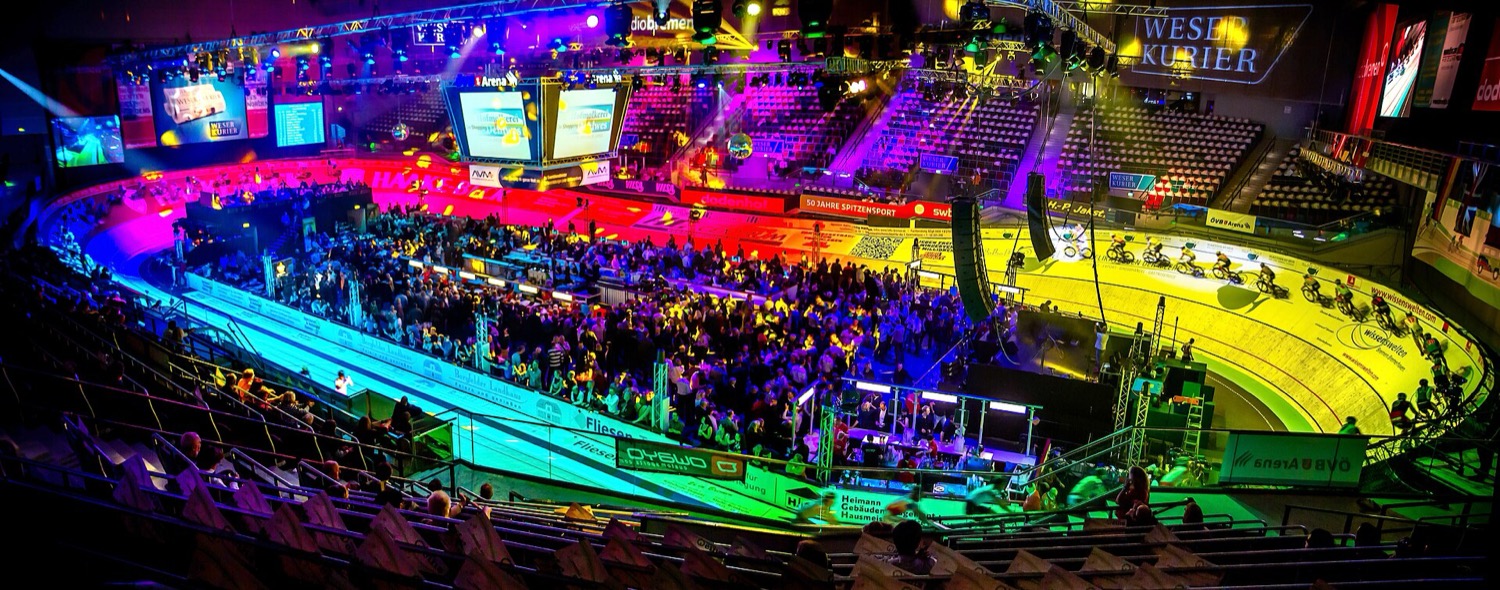
Six-Day Racing: Velodromes, Bookmakers and the First Betting Boom in Cycling
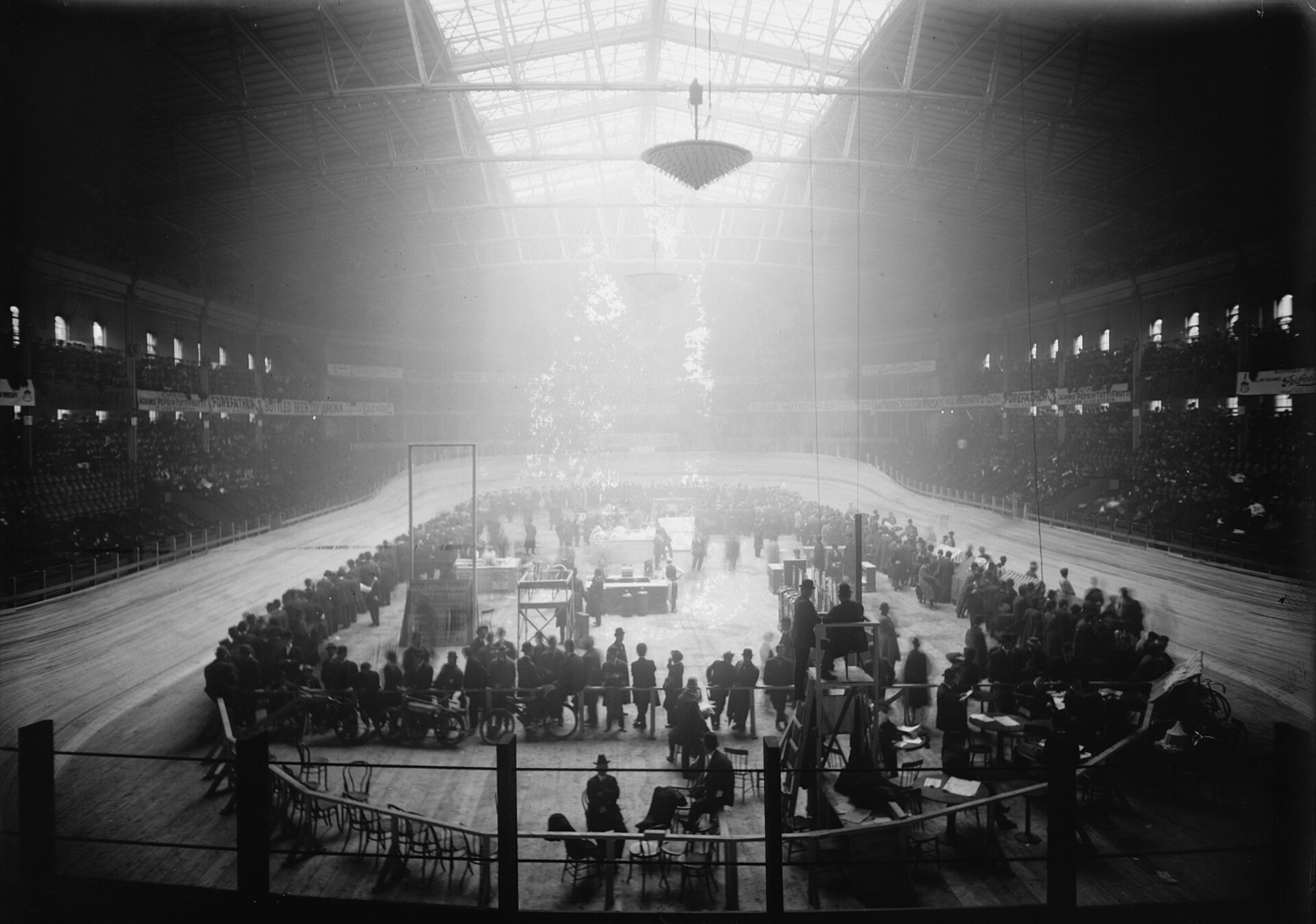
At the turn of the twentieth century the hottest ticket in New York was not baseball. It was a bicycle race that lasted six days. Crowds packed Madison Square Garden around the clock, bands played, the rich arrived in evening dress after the theatre, and bookmakers worked the infield taking bets on laps, sprints and who would collapse first.
From London to Madison Square Garden
Six-day racing started in Britain in the late 1870s as a test of endurance, single riders pedalling as many miles as they could manage in six days, with Sunday kept free. It crossed to the United States, where the format turned brutal: riders went almost without sleep, and the spectacle of exhaustion drew huge crowds and heavy betting. After public outcry over the conditions, New York limited riders to twelve hours a day in 1898, and promoters responded by entering teams of two who took turns. That two-rider relay is the origin of the Madison, named after the Garden and still raced at the Olympics.
A gambler's sport
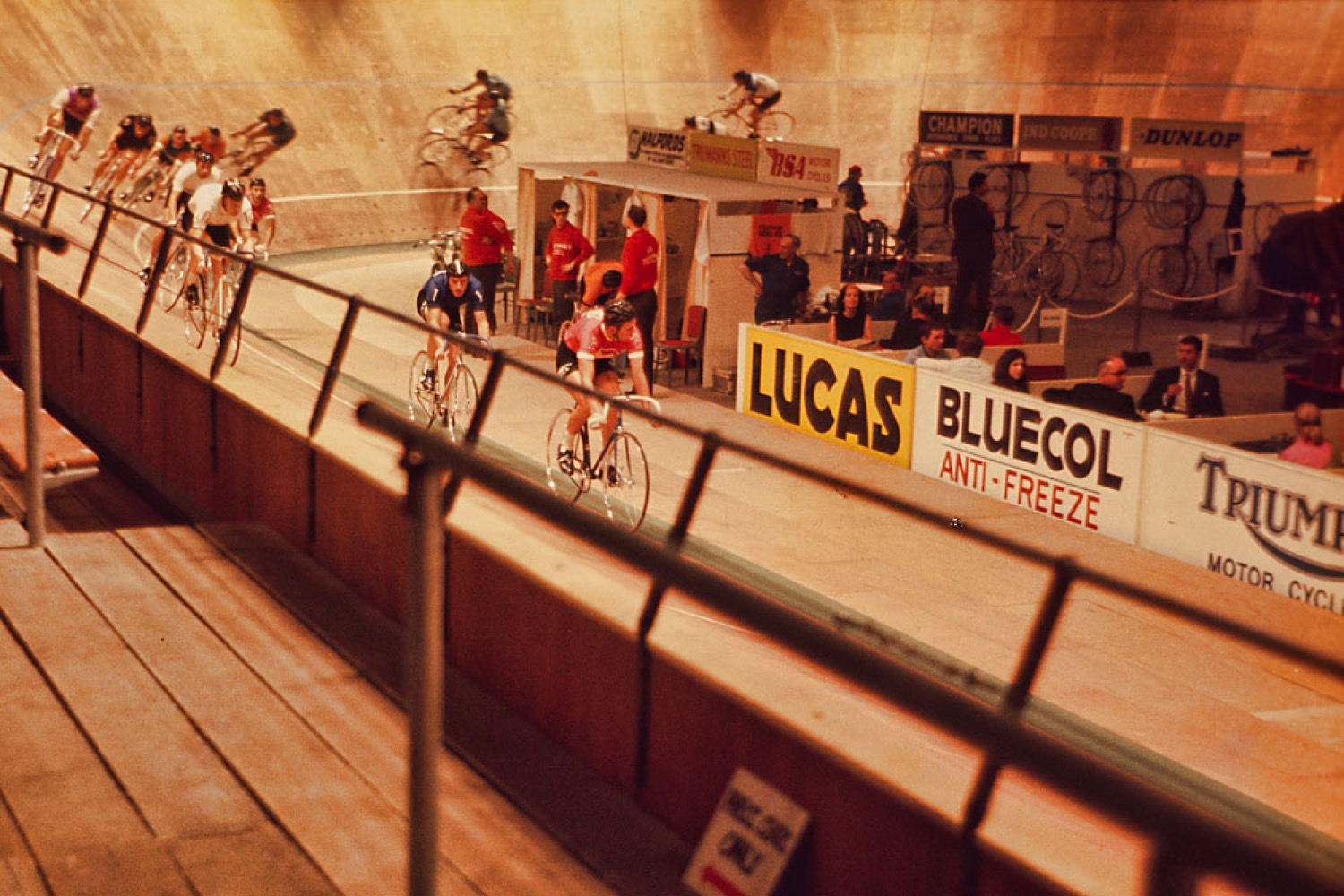
Six-day races were built for betting. There was always something to wager on: the next sprint, the next lap gained, which team would lead at midnight, the finishing order. Primes, cash prizes for intermediate sprints, were often put up by wealthy spectators who had bets riding on a particular team, and the crowd's money set the rhythm of the race. In Europe the format moved into the indoor velodromes of Berlin, Ghent, Bremen, Zurich and London, where the bars, the music and the betting stayed part of the show for a century.
What survives
A handful of six-day races still run in Europe, and a revived series has brought short, televised versions to new audiences. The betting has moved from the infield bookmaker to the phone, but the appeal is the same: fast laps, constant action and a result that can change in a single sprint. The Madison and points-race markets at modern championships are the direct descendants of the infield books of 1900.