Tour de France Betting Markets Explained
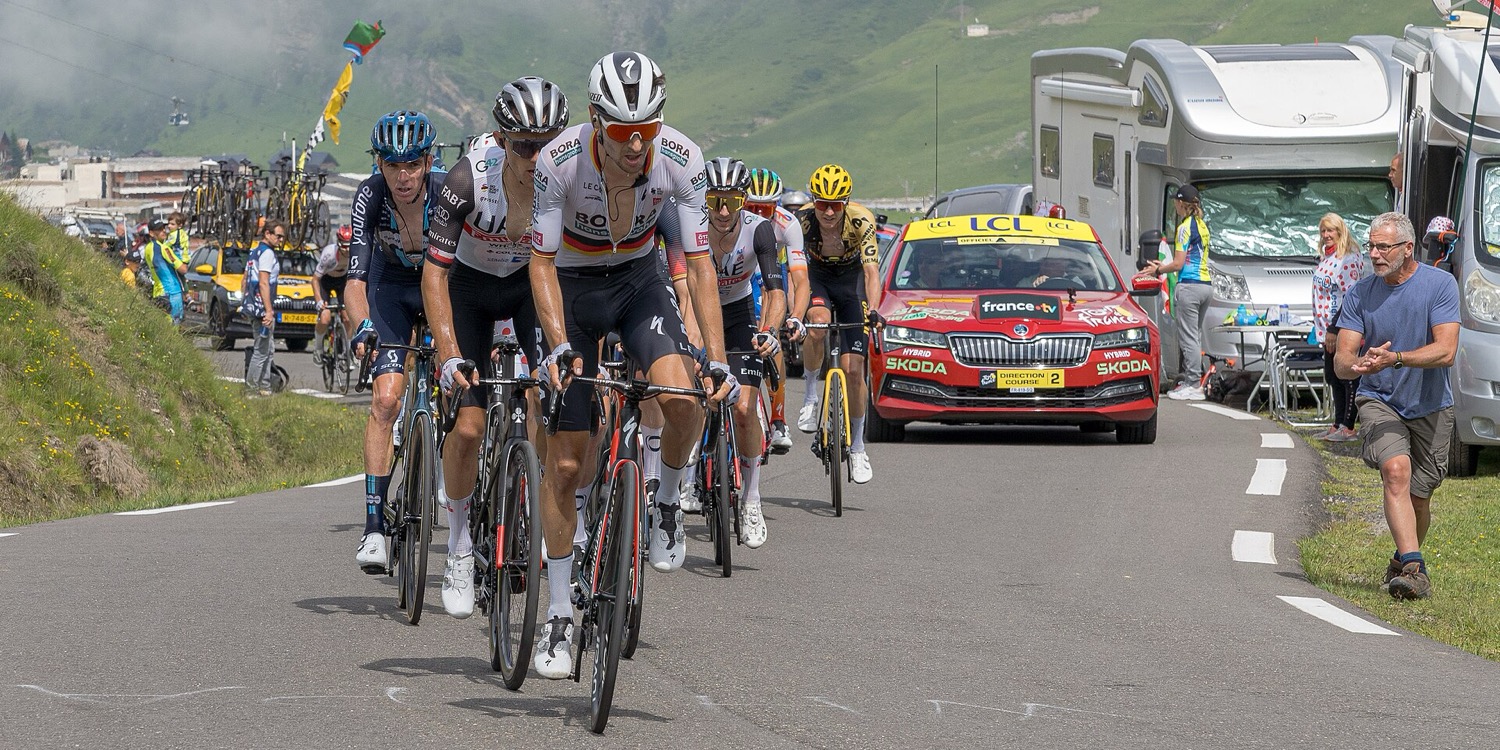
The Tour de France is the biggest betting event in cycling by a distance: three weeks, twenty-one stages and a market for almost everything that happens on the road. It rewards bettors who understand how a stage race actually works, and punishes those who bet the yellow jersey favourite and walk away.
The main markets
- Overall winner (yellow jersey). The headline outright. Odds open months before the start and move with team selections, form in the Dauphiné and Tour de Suisse, and crashes.
- Podium and top ten. Usually better value than the outright when one rider is a heavy favourite.
- Points (green) and mountains (polka-dot) jerseys. Driven by the route as much as the riders; a sprinter-friendly first week changes the green market overnight.
- Best young rider (white jersey). Often decided by the same riders contending for the overall.
- Stage winner. Twenty-one separate markets with completely different profiles: flat sprints, hilly breakaway days, summit finishes and time trials.
- Head-to-heads. Rider against rider on a stage or overall; the favourite of informed bettors because it removes the rest of the field.
Each-way and place terms
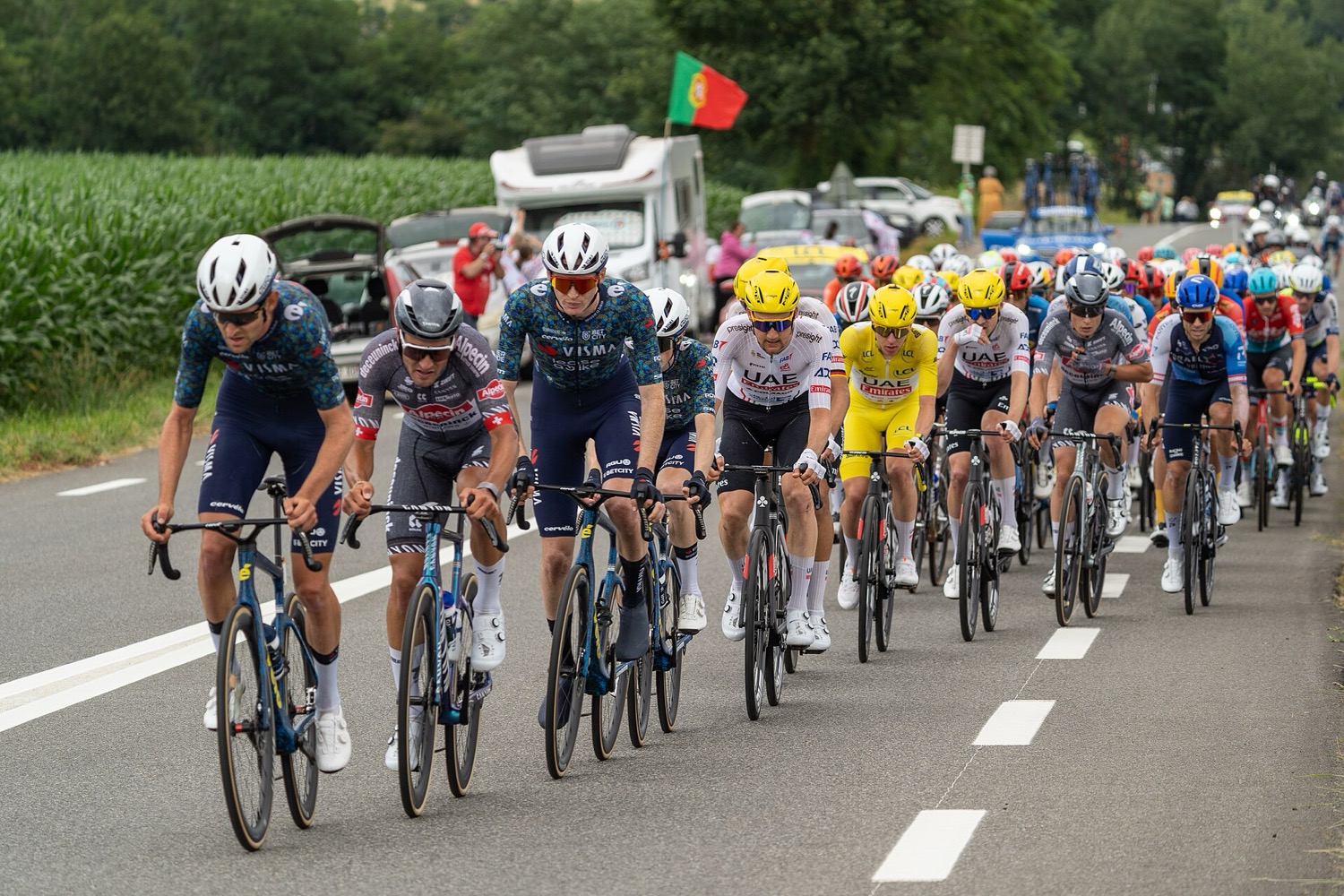
On stage markets bookmakers usually offer each-way bets paying a fraction of the odds for a top-three or top-four finish. On flat stages with a predictable sprint, place terms are where value sits, because the sprint finish compresses the field into a handful of contenders. On breakaway days the opposite applies: the winner often comes from outside the top twenty in the betting, and small stakes across several breakaway specialists can beat one bet on a favourite.
How odds move during the race
The overall market reacts to time gaps, but it also reacts to perception. A favourite who loses thirty seconds in crosswinds on stage two may see their price drift further than the time justifies, because recreational money panics. Mountain stages and the time trial do most of the real sorting, and the market is most efficient after the first big summit finish. Equipment matters too: team time trial set-ups, chainring choices on the steepest climbs and wheel decisions in the wind all get discussed in the trade press, and the sharpest traders read it. Our piece on marginal gains and the betting line goes deeper.
A sensible Tour portfolio: one outright or podium position before the start, head-to-heads during the race, each-way bets on sprint stages, small spreads across breakaway riders on hilly days, and patience until the first summit finish before adding to the overall.