Where the watts meet the odds
Races are won by tenths of a second, and tenths of a second are won in the drivetrain. The Drivetrain covers the engineering that moves bikes and the markets that move around bike racing, from Japanese keirin pools to Grand Tour outrights.
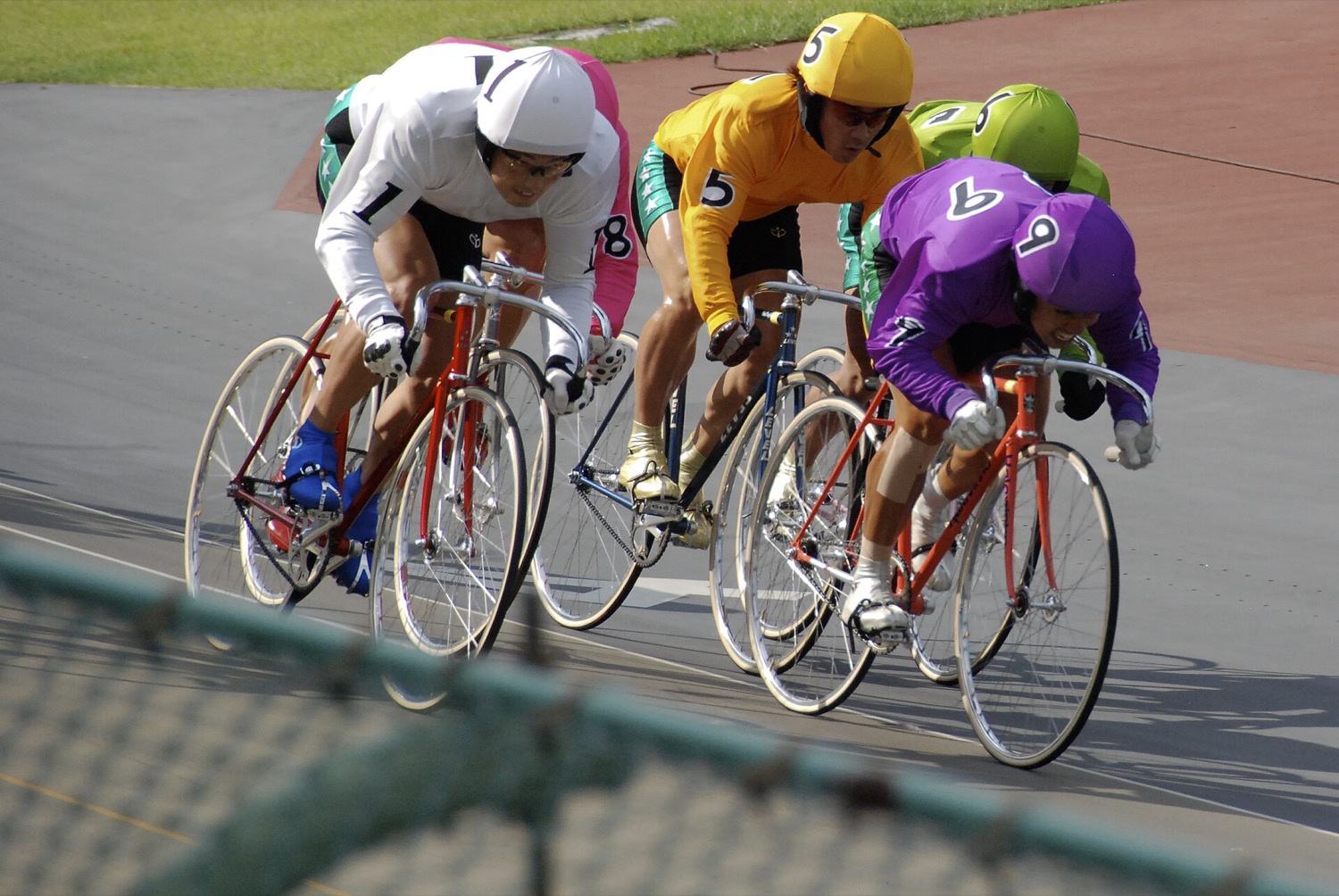
This week: Keirin: How Japan Turned Track Cycling Into a Betting Sport
Why a betting desk writes about chains
Most sports treat equipment as background. Bike racing cannot. In the velodrome, Olympic finals are decided by less than two tenths of a second over four kilometres, and a drivetrain that wastes three fewer watts per rider is worth about that much. In a Grand Tour time trial, chainring and wheel choices are discussed by team analysts and sharp bettors alike. In Japanese keirin, gear ratios are read in the race programme the way horse-racing fans read the going.
So we cover both sides. Our Tech desk explains how drivetrains really work and how efficiency is measured, from conventional chains to dual-engagement sprockets that drive the chain on both sides of each tooth. Our Racing & Odds desk explains how cycling markets are built, how odds move and where specialist knowledge still beats the bookmaker. The E-Mobility desk follows the same parts into delivery fleets, where breakdown risk gets priced like a bet.
Three things the market often misses
- Equipment news before championships. New bikes, kit and drivetrains show up in qualifying times before they show up in prices.
- Lines in keirin. In pari-mutuel pools, a famous rider on a weak line is often overbet, while the rider behind a strong leader is underbet.
- Head-to-heads in stage races. They take away crashes and breakaway chaos and leave you with the riders you actually understand.
The numbers behind the margins
Racing & Odds
Keirin pools, track cycling markets, Tour de France betting, six-day history and the habits of informed cycling bettors.
6 articlesTech
Chains, sprockets and efficiency testing. The engineering that decides races and drives prices.
3 articlesE-Mobility
E-bikes and cargo fleets, cost per kilometre and how operators price breakdown risk.
3 articlesLatest from all desks
12 articlesKeirin: How Japan Turned Track Cycling Into a Betting Sport
Keirin is the only form of cycling built from the ground up for the betting window. How Japan's pari-mutuel track racing works, what the bet…
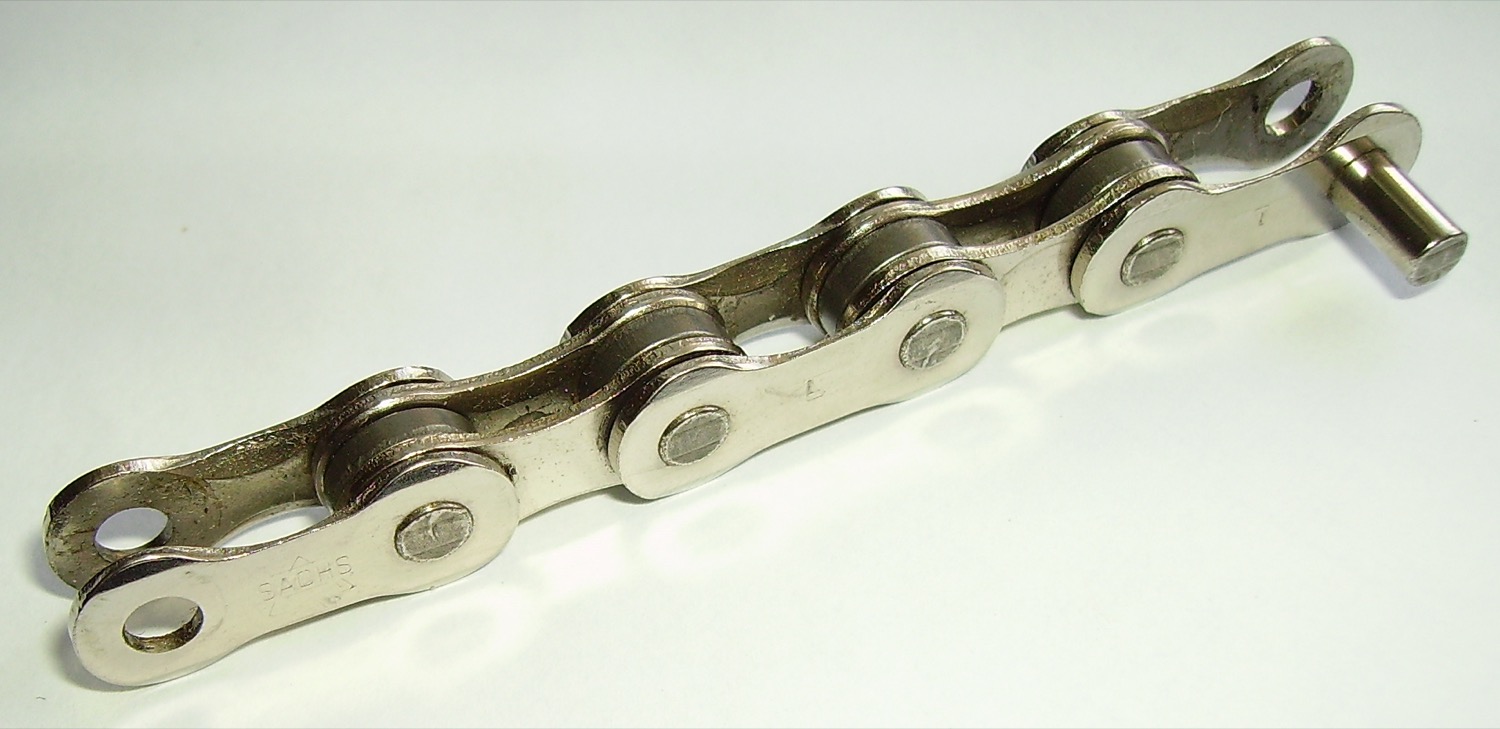
Dual-Engagement Sprockets Explained: The Biggest Change to the Chain Drive in a Century
The roller chain has barely changed since the 19th century. Dual-engagement tooth profiles drive the chain on both sides of each tooth. How …
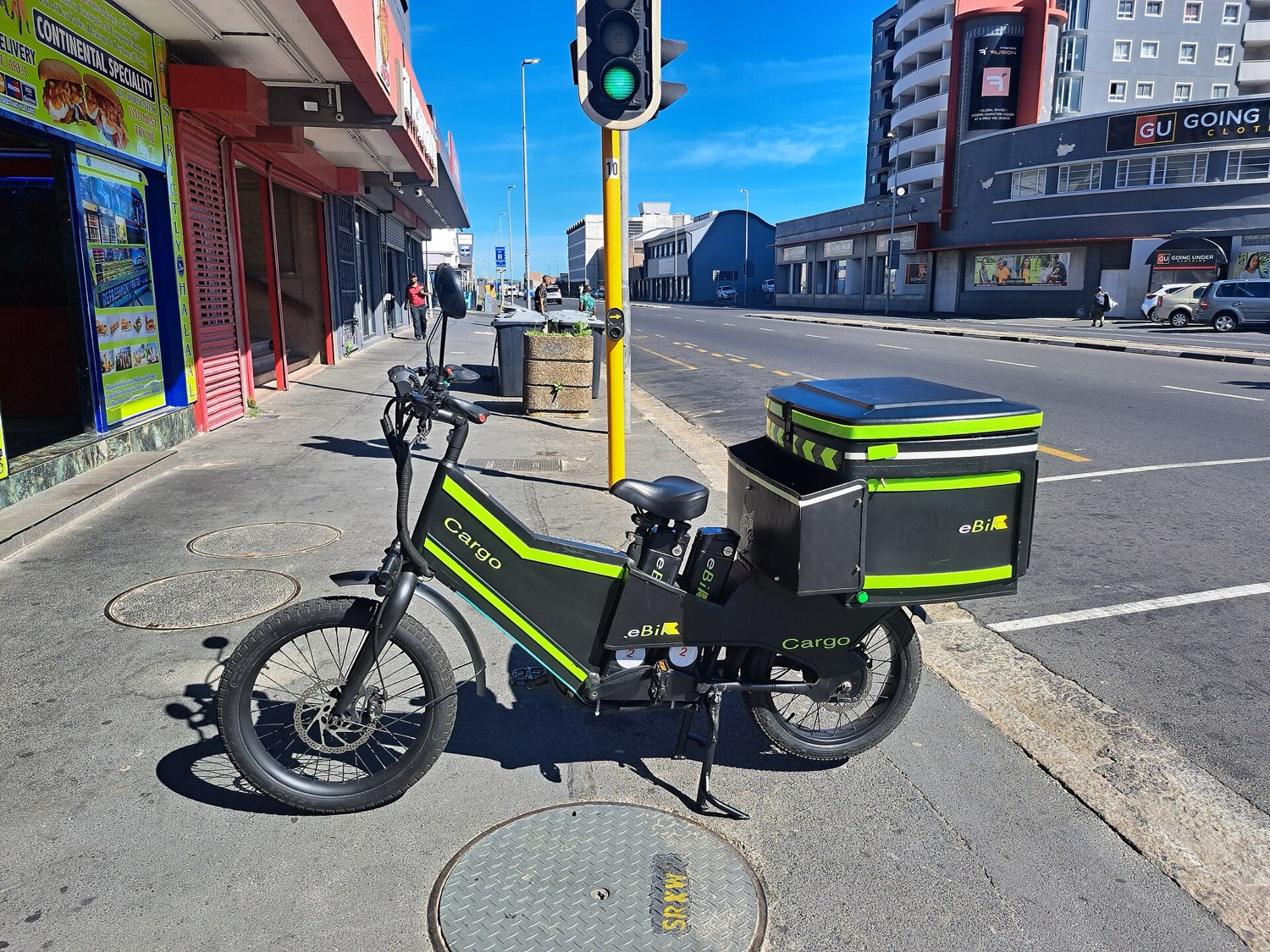
E-Cargo Fleets and the Real Cost of the Drivetrain
Drivetrain wear is one of the biggest hidden costs of running e-cargo bikes. How fleets calculate cost per kilometre, why breakdown risk is …
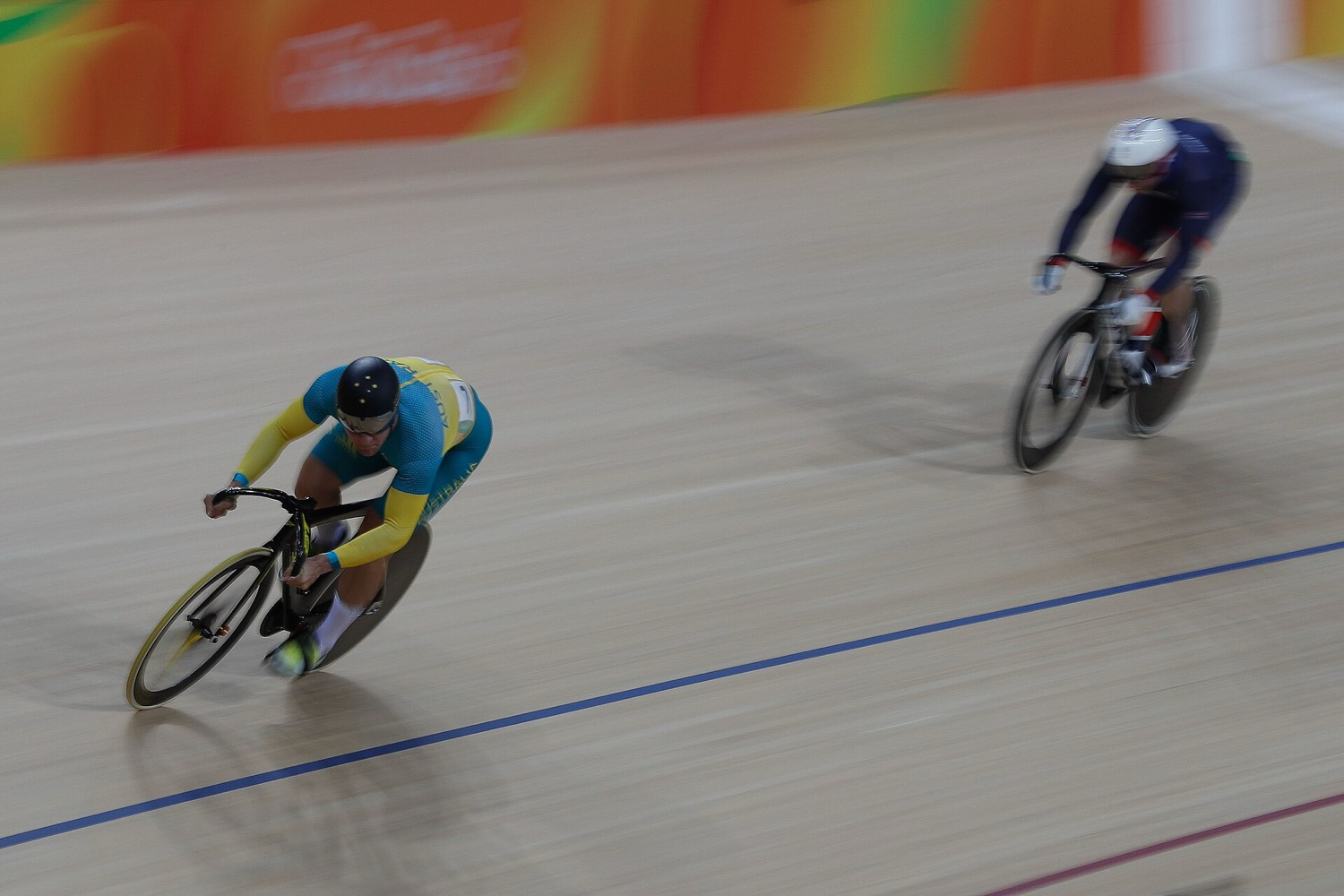
How to Read Track Cycling Odds: Sprint, Keirin, Pursuit and Omnium
Track cycling markets look simple until the first round of the sprint. A practical guide to how bookmakers price Olympic and World Champions…
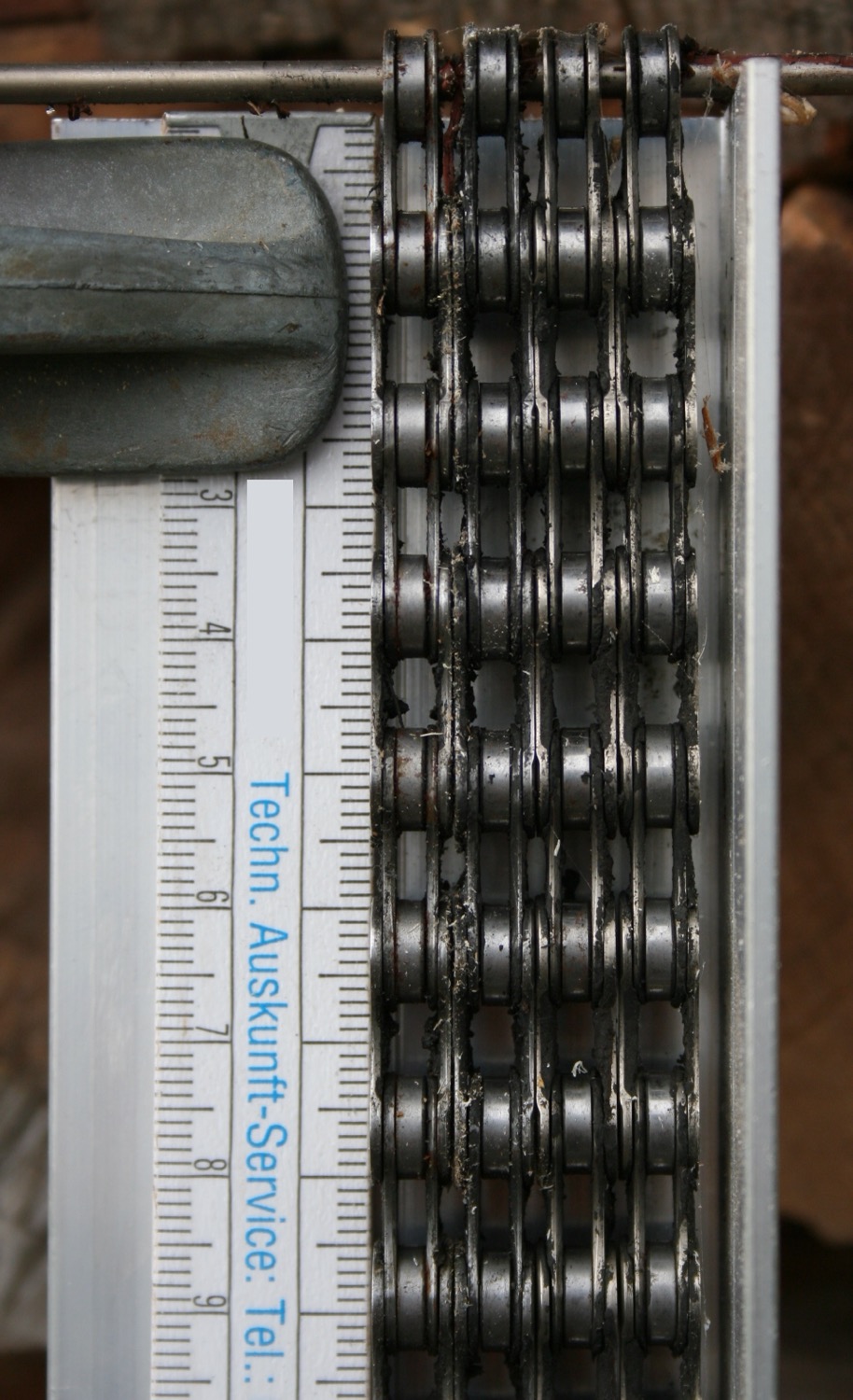
How Much Power Does a Bike Chain Waste? Drivetrain Efficiency Testing Explained
A good bicycle drivetrain is around 97 to 98.5 percent efficient. Measuring the last percent is surprisingly hard. How labs test chains and …
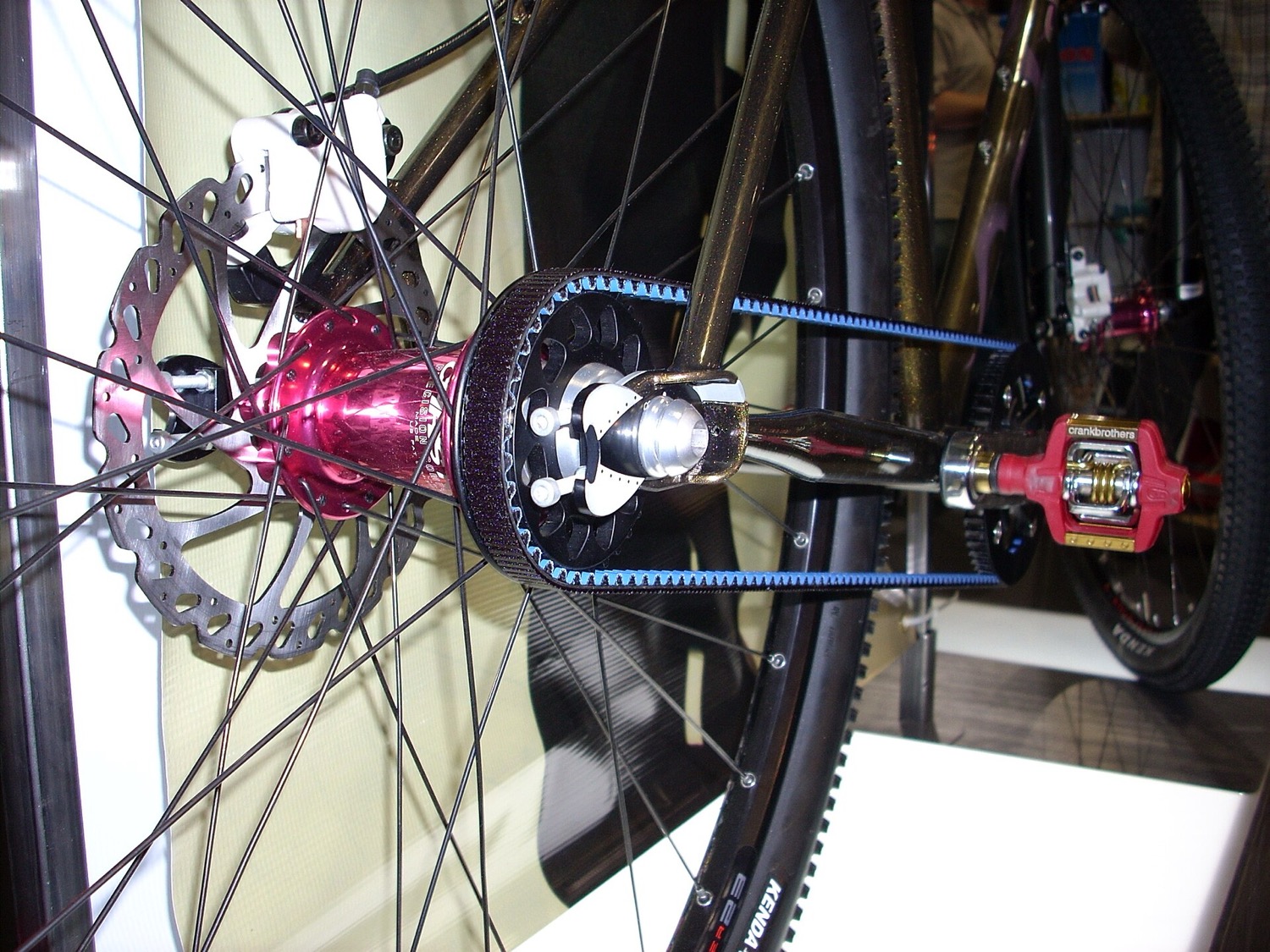
Belt vs Chain on E-Bikes: Which Drivetrain Should You Bet On?
Belt drives promise clean, quiet, maintenance-free riding. Chains are cheaper, more efficient and easier to fix. The trade-offs for commuter…
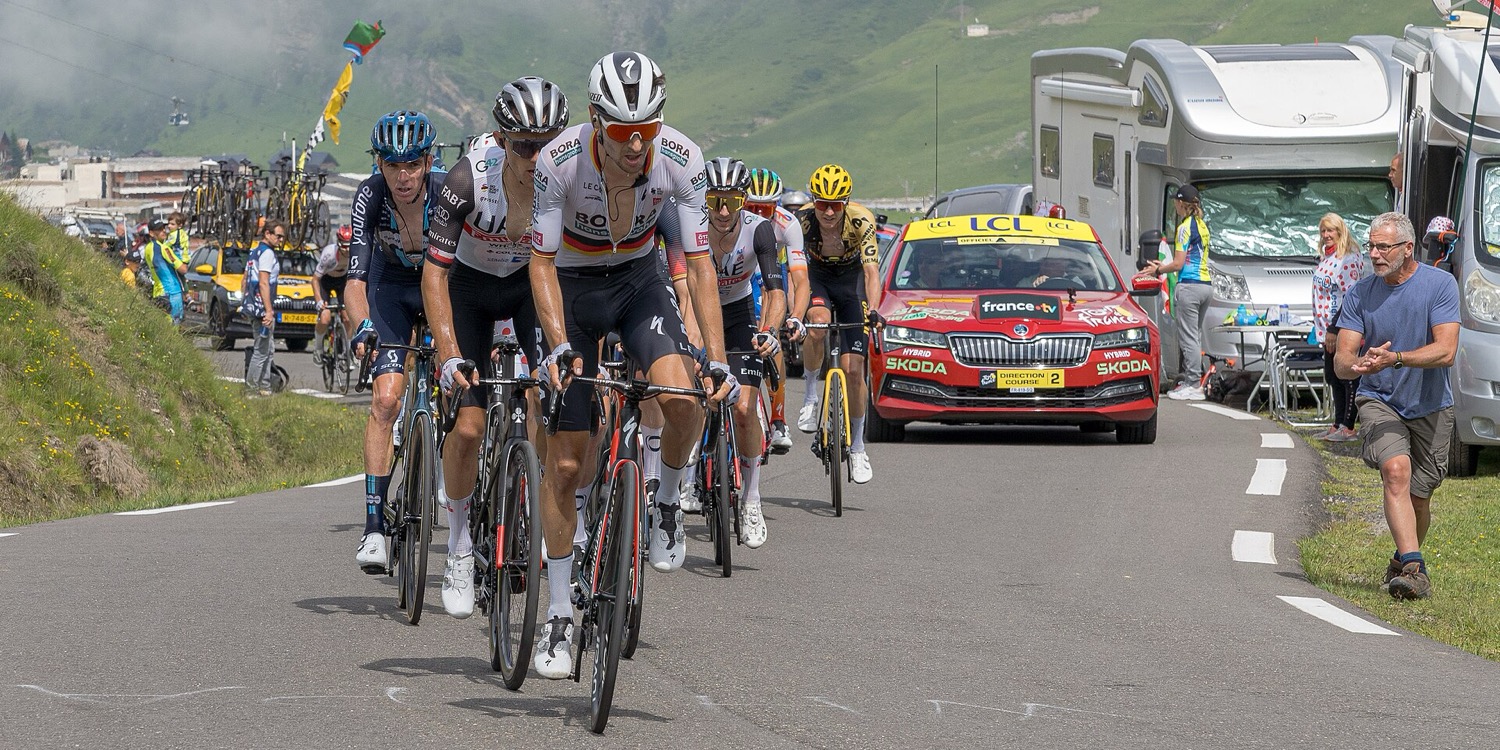
Tour de France Betting Markets Explained
Yellow jersey outrights, stage winners, head-to-heads and each-way terms. How Tour de France betting works, how the odds move over three wee…
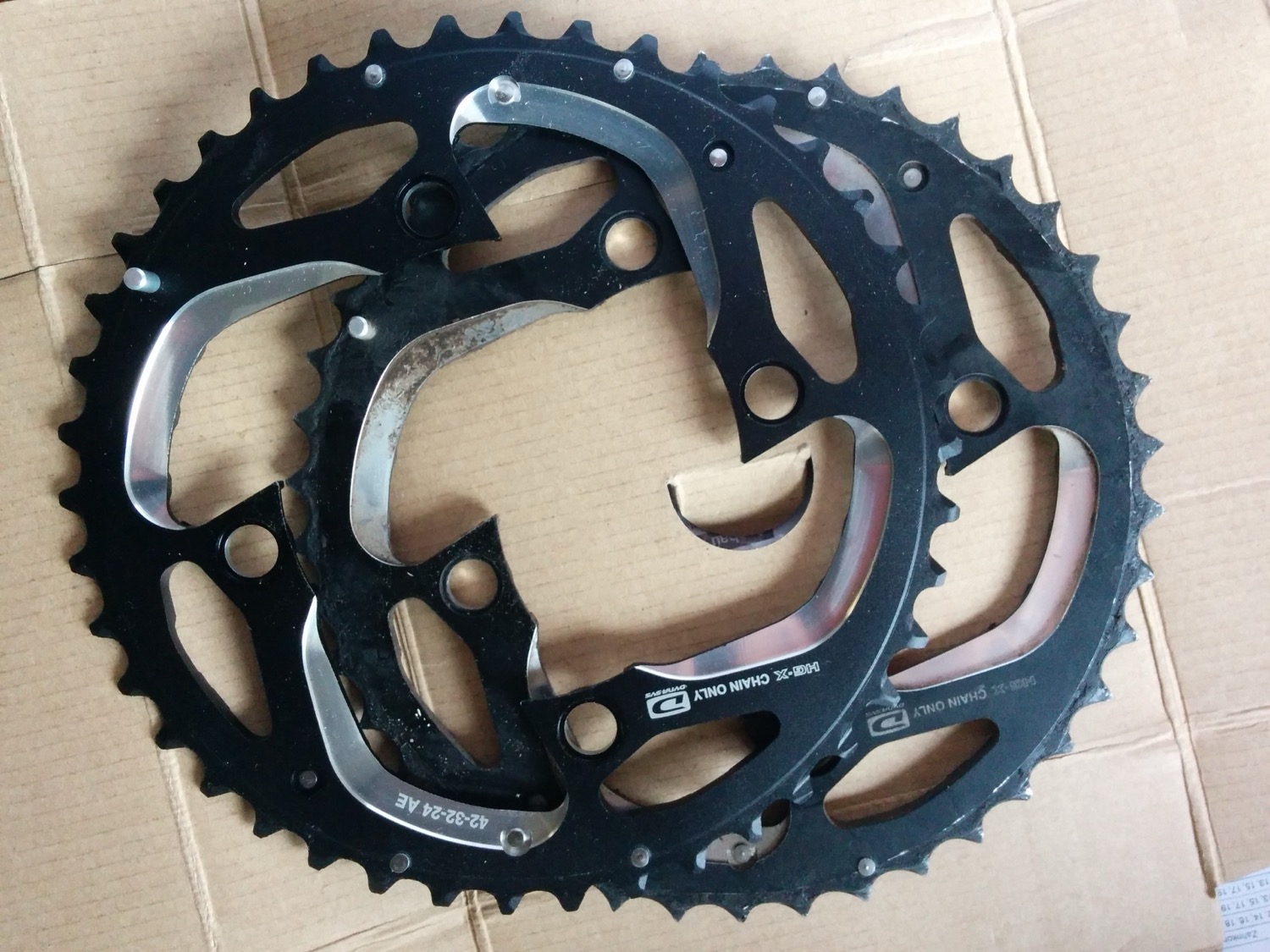
Chain Wear: How to Measure It and When to Replace
A worn chain eats sprockets, wastes power and fails at the worst moment. How to measure chain stretch, when to replace, and how fleets and r…
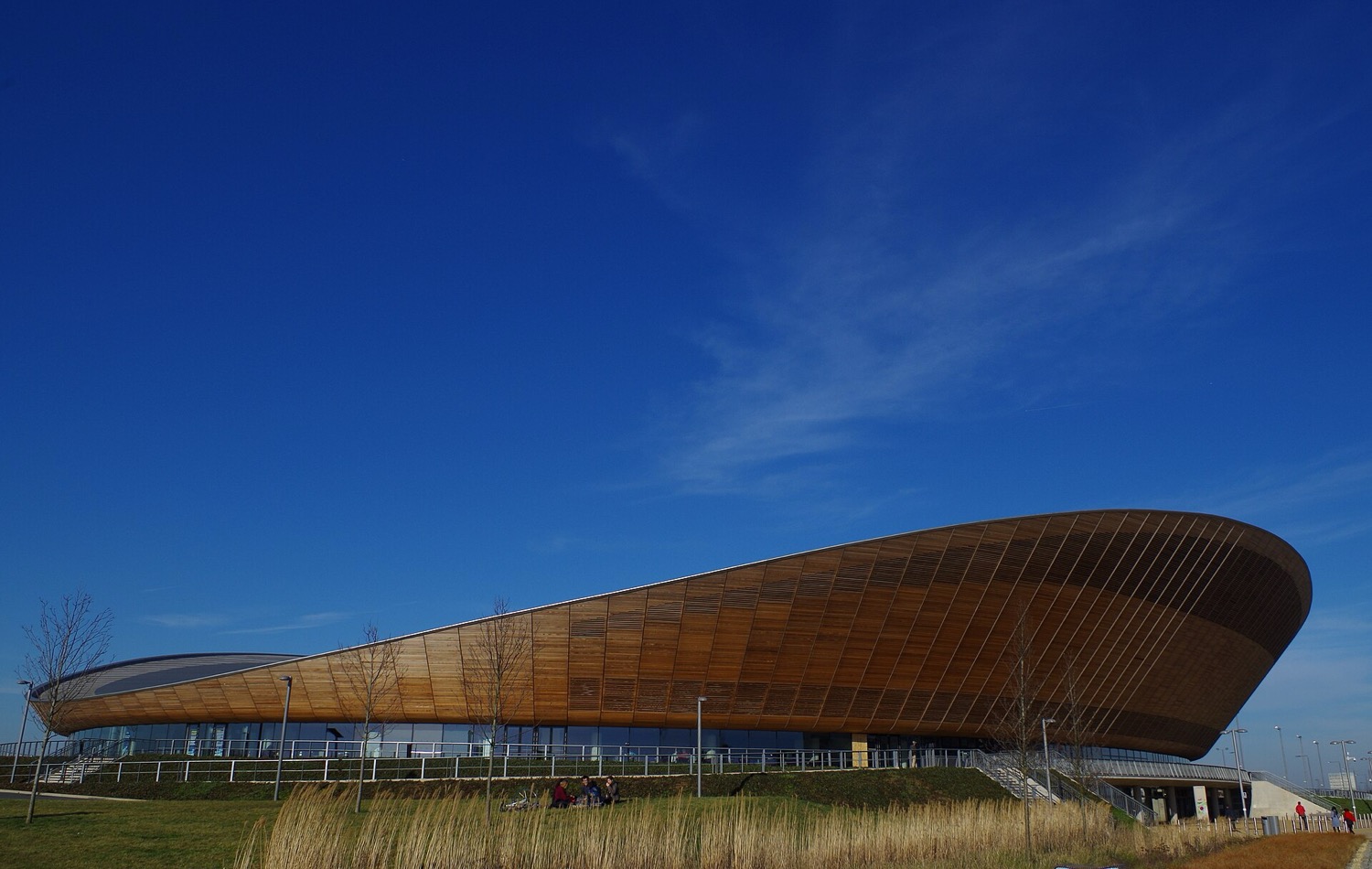
Marginal Gains and the Betting Line: When Equipment Changes the Odds
Track races are decided by tenths of a second and a few watts. How equipment programmes, drivetrain efficiency and aerodynamics move betting…
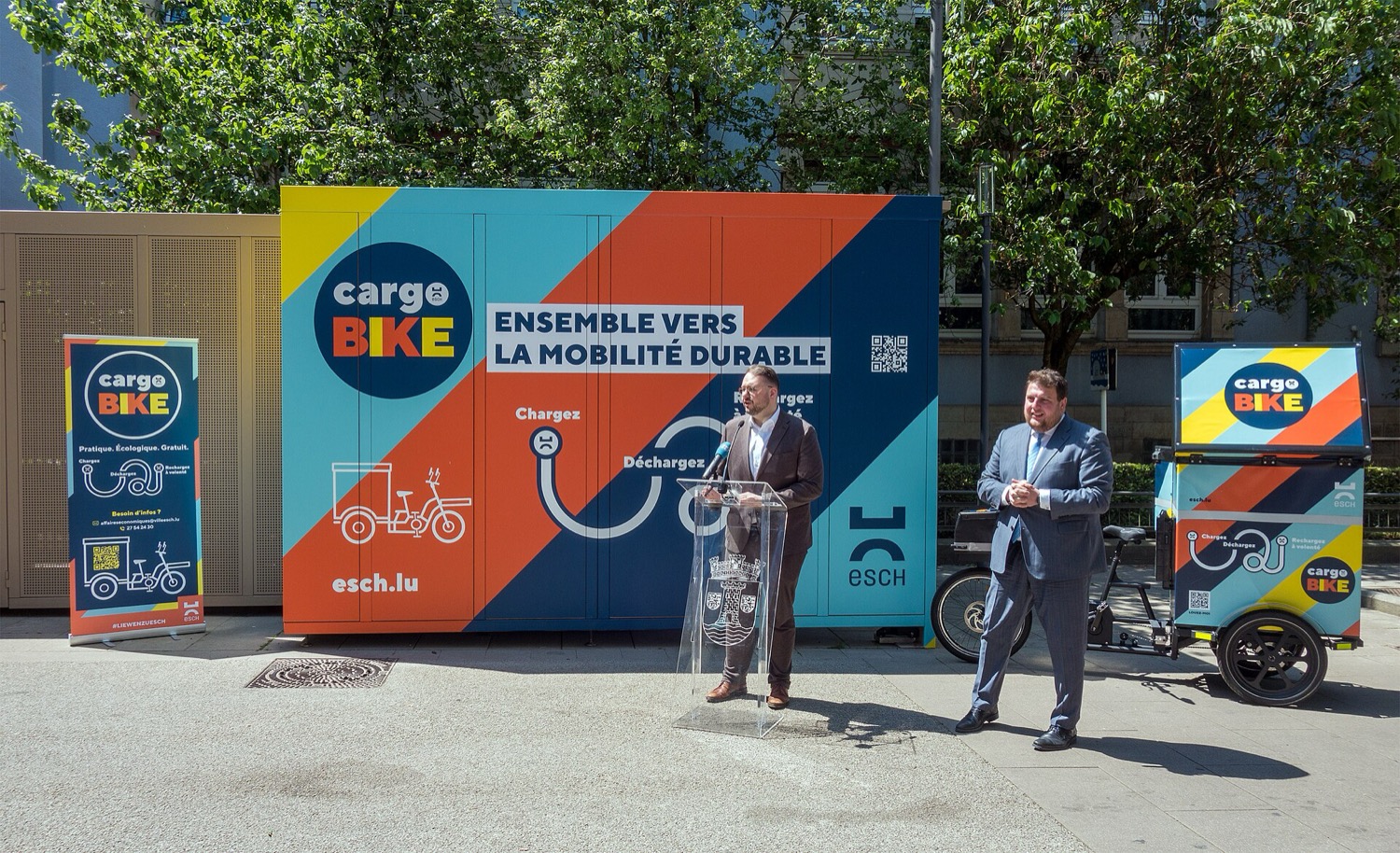
Cargo Bikes and the Last Mile: How European Cities Are Changing Delivery
From Amsterdam to London, cargo bikes are taking parcels, laundry and food off vans. Why the switch is happening, what slows it down, and ho…
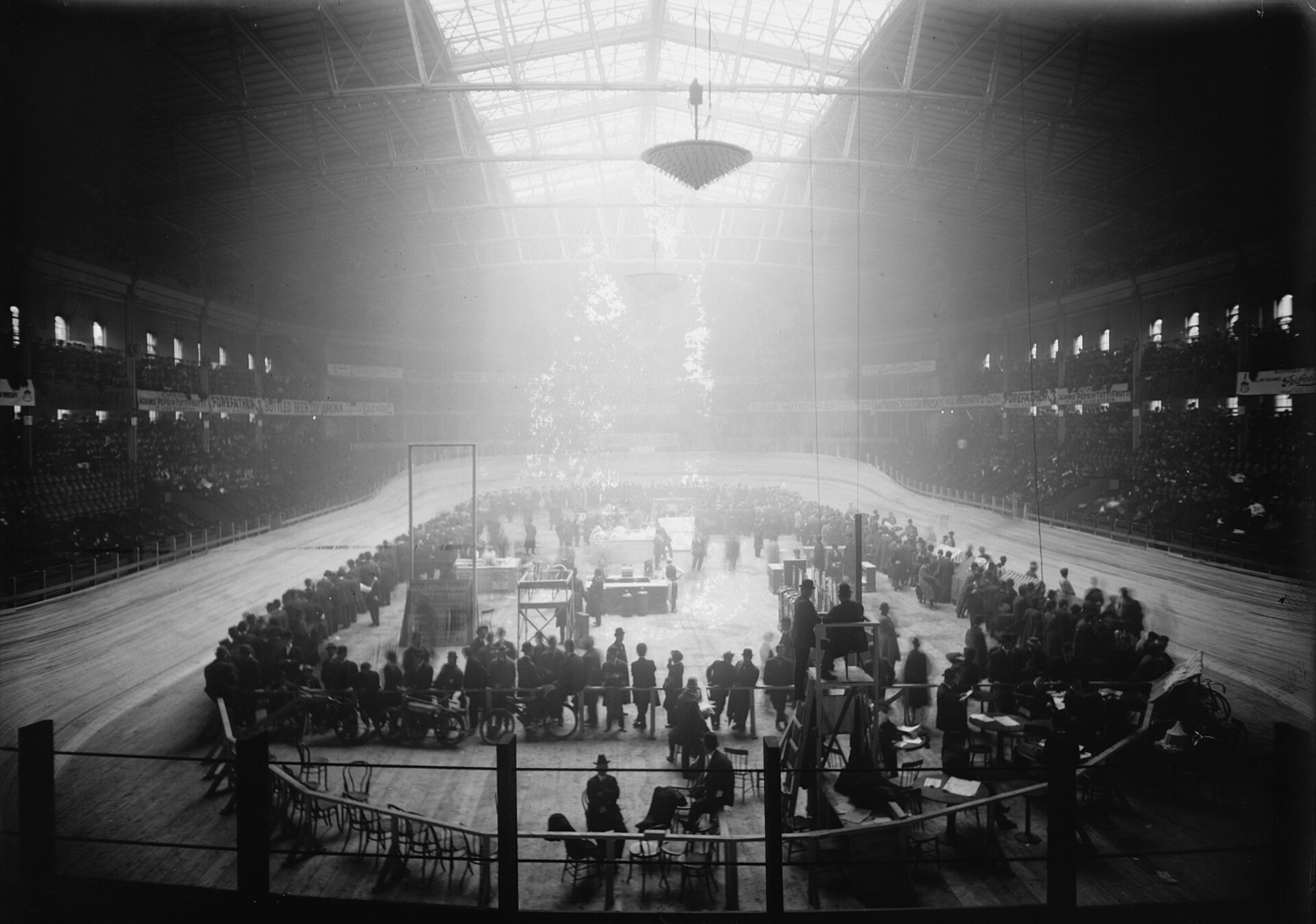
Six-Day Racing: Velodromes, Bookmakers and the First Betting Boom in Cycling
Before football, before the Tour de France, there was six-day racing: crowds, smoke, bands and bookmakers on the infield. The history of cyc…
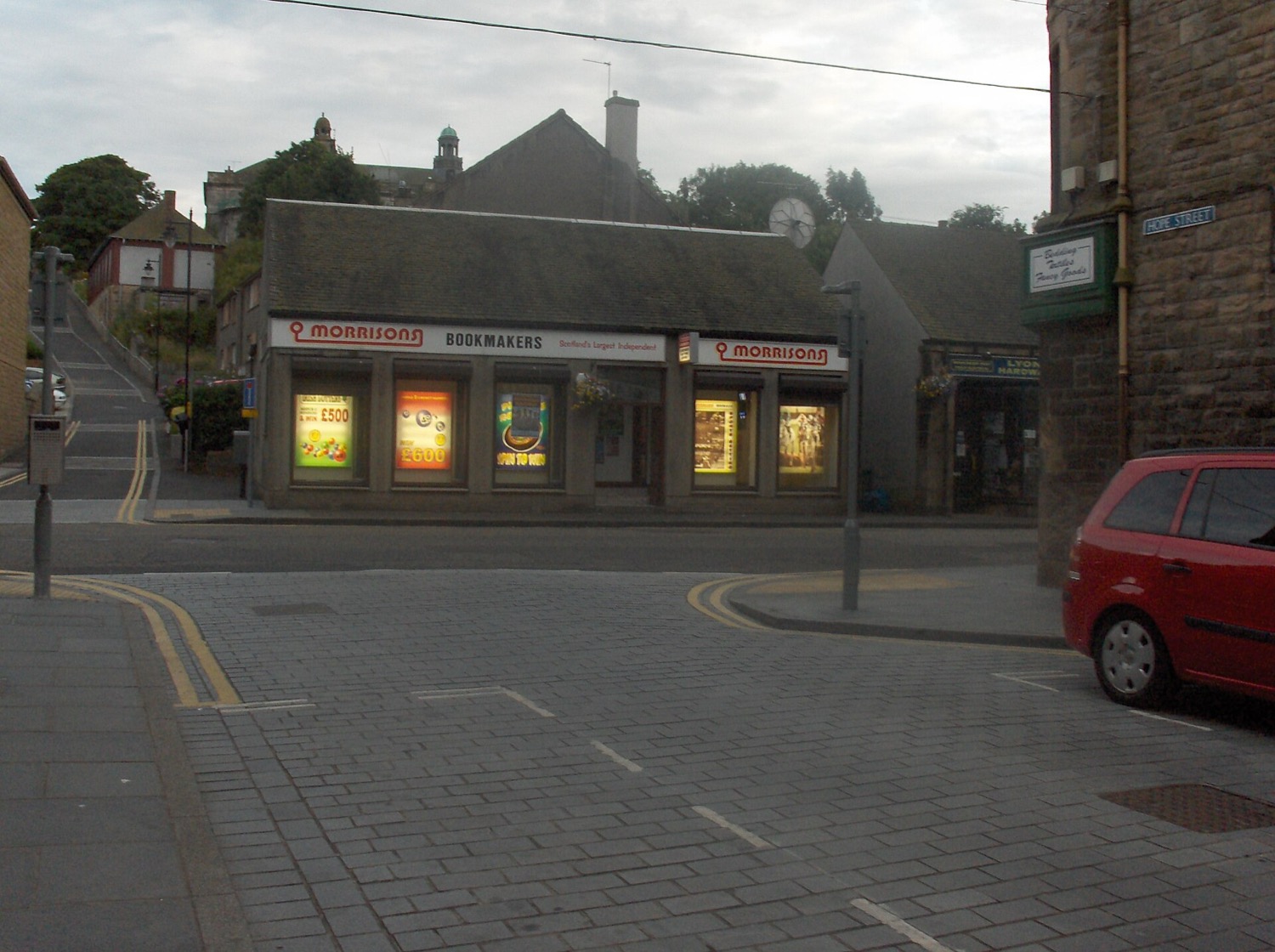
Betting on Cycling: A Practical Guide From Velodrome to Grand Tour
Which cycling races offer the deepest markets, how bookmaker margins compare across events, and the habits that separate informed cycling be…