Keirin: How Japan Turned Track Cycling Into a Betting Sport
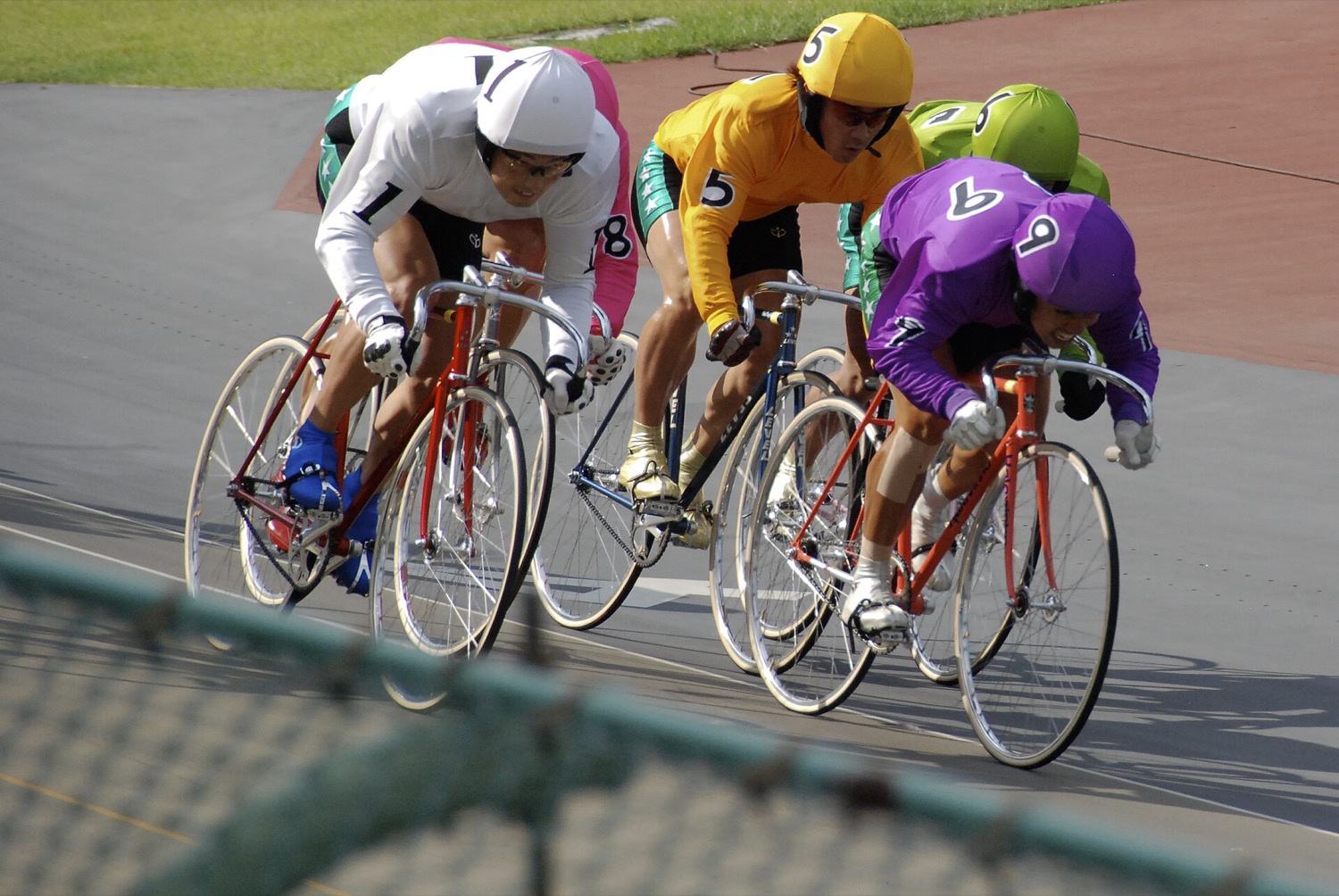
Most cycling has betting attached to it. Keirin was built for betting. Created in Kokura in 1948 as a way to fund post-war reconstruction, Japanese keirin is pari-mutuel track racing run under national law, with tens of thousands of races a year at dozens of velodromes and a betting turnover that has passed a trillion yen in recent seasons. The bikes are steel, the gears are fixed and the racing is ruthless, because every rider knows the crowd has money on the result.
How a keirin race works
Usually nine riders, sometimes seven, start behind a pacer who controls the speed for the first laps and then pulls off with roughly a lap and a half to go. From there it is a sprint. What makes Japanese keirin unique for bettors is the line: riders from the same region or training group agree before the race to ride together, one leading out and the others sheltering behind. Reading the lines in the race programme is the single most important skill a keirin punter has, because a strong line can carry a mediocre finisher to the podium.
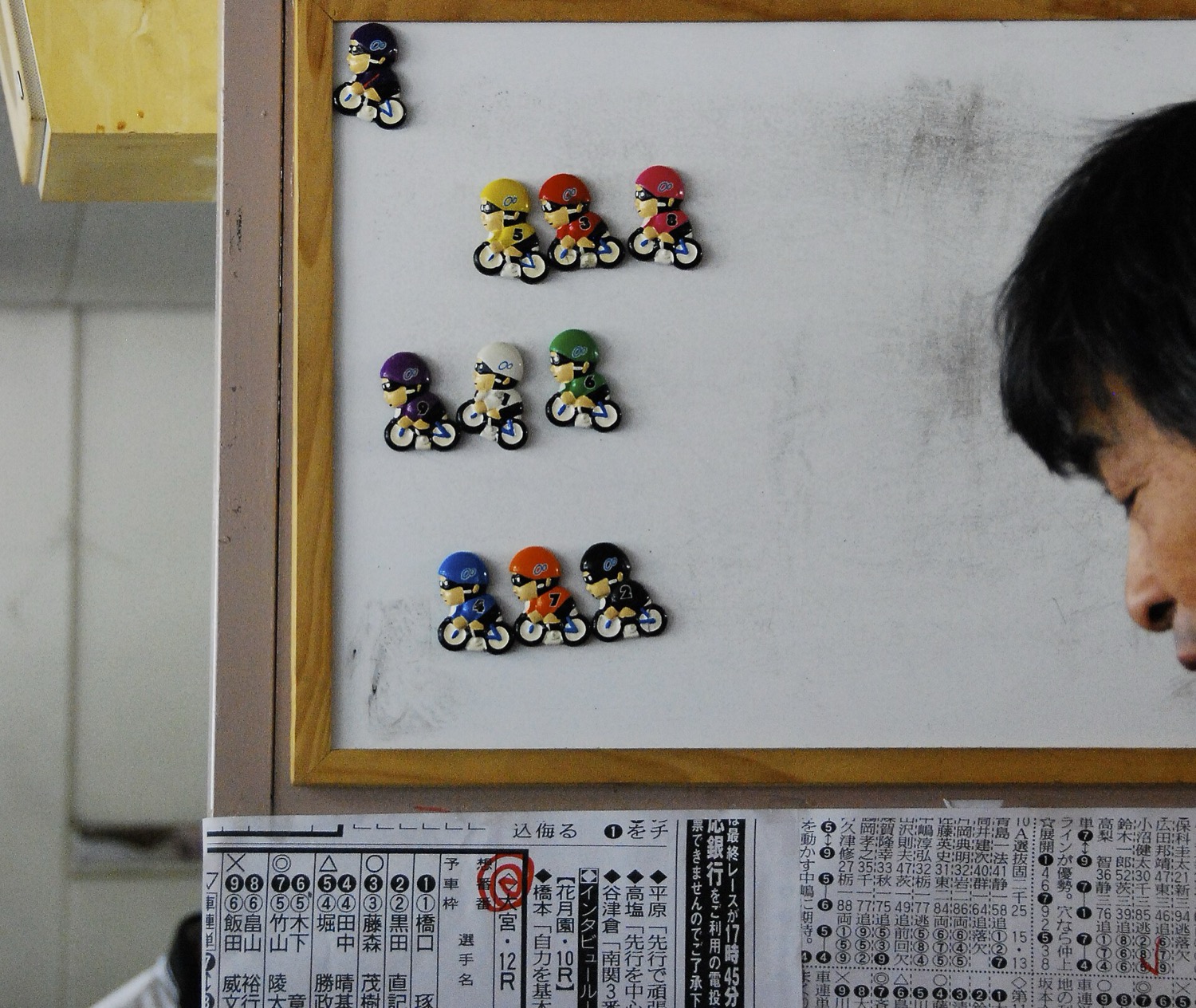
The bet types
| Bet | What you pick | Notes |
|---|---|---|
| Exacta (2-rentan) | First and second, in order | The bread and butter bet for regulars |
| Quinella (2-renpuku) | First and second, any order | Lower payouts, higher strike rate |
| Trifecta (3-rentan) | First, second and third, in order | The headline bet; big dividends |
| Trio (3-renpuku) | Top three, any order | Popular with line-based reading |
| Wide | Two riders who both finish top three | The safest-looking bet on the card |
| Bracket bets | Groups of riders by bracket number | A legacy of horse-racing style pools |
Because the pools are pari-mutuel, the odds are set by the crowd, not a bookmaker, and the operator takes a fixed cut before dividends are paid. That has one useful consequence: when the crowd overrates a famous rider whose line is weak, value appears on the riders behind the stronger line.
Why equipment matters less, and more, than you think
Keirin frames and parts must be approved by the governing body, which keeps the field equal and stops an equipment arms race from deciding results. Within those rules, though, chain tension, gearing choice and how a rider's drivetrain behaves under a 2,000-watt jump all show up in the last 200 metres. Regulars at the velodrome talk about gear ratios the way horse-racing fans talk about going. If you want to understand why a few watts matter, our explainer on drivetrain losses is the place to start.
Olympic keirin versus Japanese keirin
Keirin has been an Olympic event since Sydney 2000, but the international version is a different animal: six riders, carbon bikes, no lines and a motorised derny instead of a human pacer. Bookmakers price the Olympic and World Championship keirin like any other sprint event, and the form from the Japanese circuit translates only partly. Our guide to reading track cycling odds covers how those markets are built.
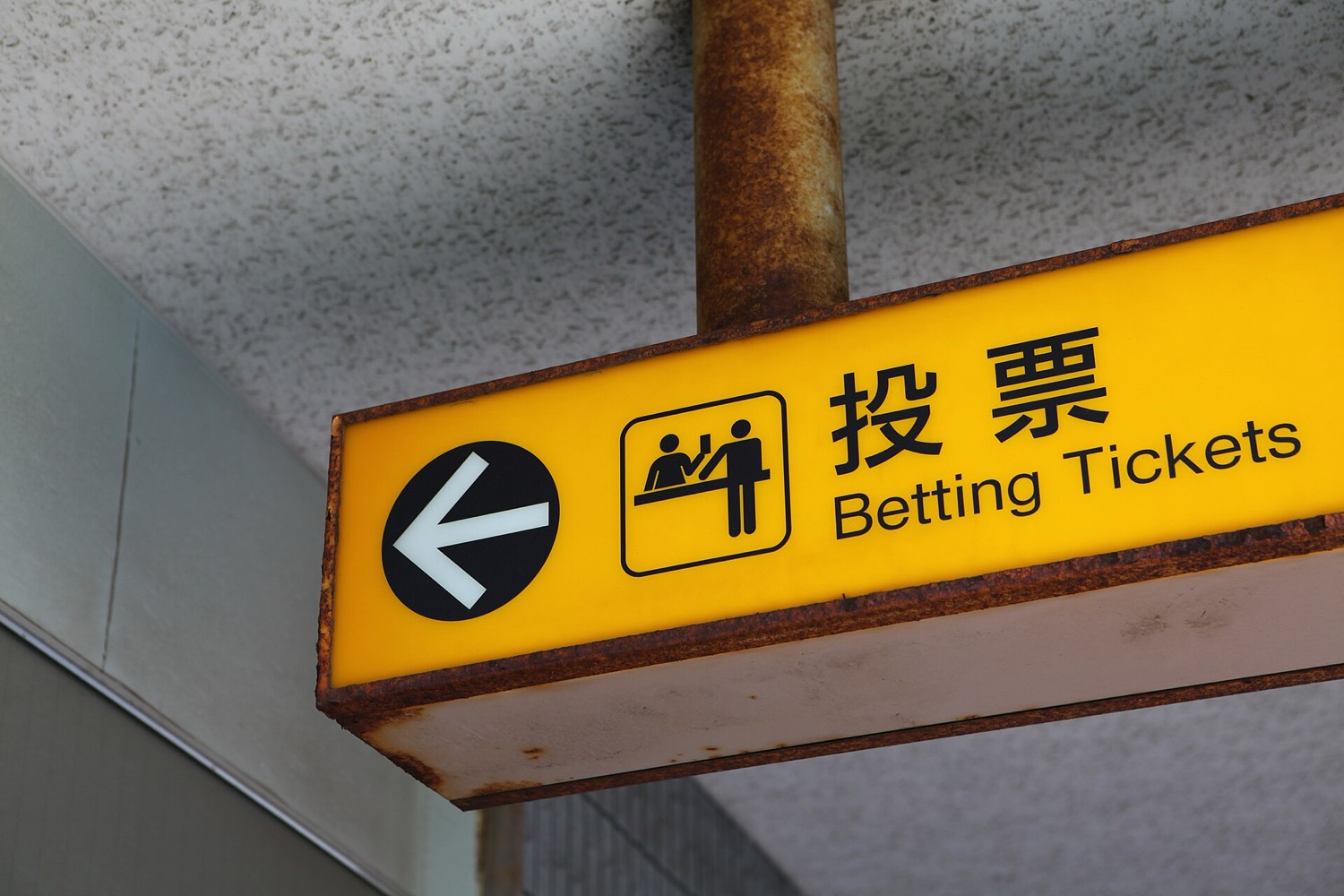
For the betting window: study the lines before the riders, look for value behind a strong leader, use the wide and trio bets to learn the sport before chasing trifecta dividends, and remember that a pari-mutuel pool rewards being right when the crowd is wrong.