How to Read Track Cycling Odds: Sprint, Keirin, Pursuit and Omnium
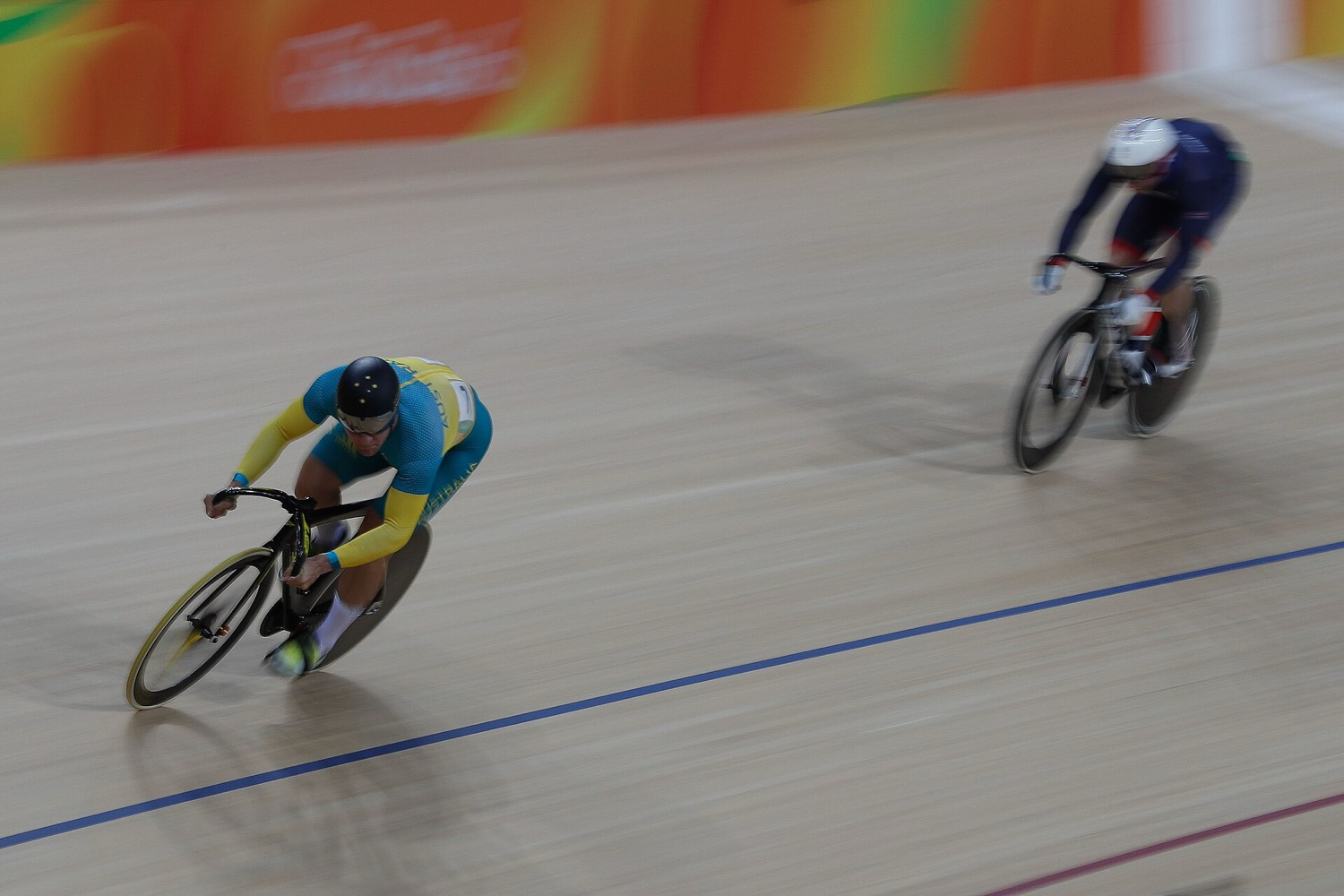
Track cycling is one of the most bettable sports at an Olympic Games: short events, clear formats and results decided by margins a stopwatch can measure. It is also one of the most mispriced, because casual money arrives every four years and leaves again. Here is how the main markets work.
The events and how they are priced
| Event | Format | What drives the odds |
|---|---|---|
| Sprint | Flying 200 m qualifying, then head-to-head rounds | Qualifying times and head-to-head record; tactics in the final |
| Keirin | Six riders behind a derny, sprint over the final laps | Raw speed and positioning; high variance, long prices |
| Team pursuit | Four riders, 4 km against the clock and an opponent | Qualifying times, team depth, equipment programme |
| Team sprint | Three riders, three laps, one peel-off per lap | Standing start strength and changeovers |
| Omnium and Madison | Multi-race points events | Endurance, racecraft and team tactics; the hardest to price |
Timed events: the closest thing to a sure read
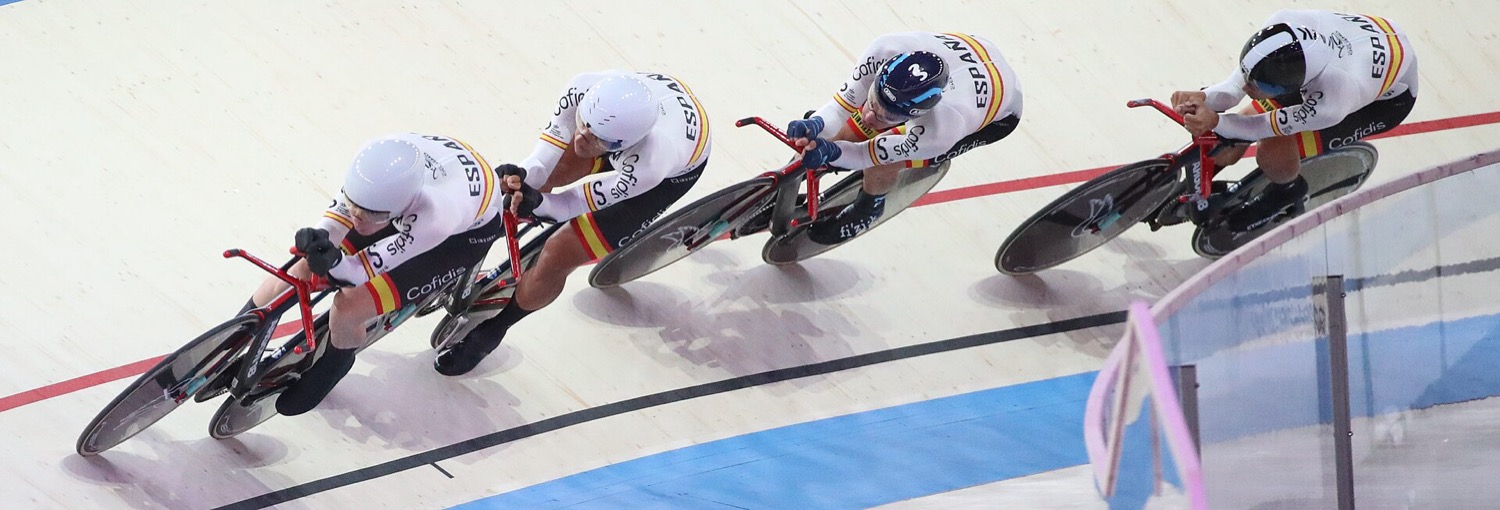
Pursuit and team sprint are races against the clock, which makes qualifying the best predictor in the sport. If a team qualifies two seconds clear in the team pursuit, the market will price them as heavy favourites, and it is usually right. The value lies in the rounds in between, when a team that qualified third is priced as an outsider against the second-fastest despite a proven ability to ride faster when it matters. Finals at Olympic level have been decided by less than two tenths of a second, which is why teams spend fortunes on aerodynamics, tyres and drivetrain efficiency.
Sprint and keirin: where favourites lose
Match sprints are tactical, and the fastest qualifier does not always win. Bookmakers know this, so sprint odds are tighter than qualifying times suggest; still, the market tends to overreact to a single surprising heat. Keirin is the most volatile event on the programme, with six riders, crashes and relegations, so prices on the favourite are rarely short. That volatility is exactly what makes each-way and top-three markets attractive in keirin when they are offered.
Live betting at the velodrome
In-play markets on track cycling move fast. In the team pursuit, lap splits are public and a team behind at halfway rarely recovers more than a few tenths, so live prices on the leader shorten sharply. In points races, the market lags behind the scoreboard more than in any other event, because few traders follow the points tally lap by lap.
Quick rules: trust qualifying in timed events, fade overreactions in the sprint, look for top-three value in the keirin, and track the points in the omnium yourself rather than trusting the live price.