Belt vs Chain on E-Bikes: Which Drivetrain Should You Bet On?
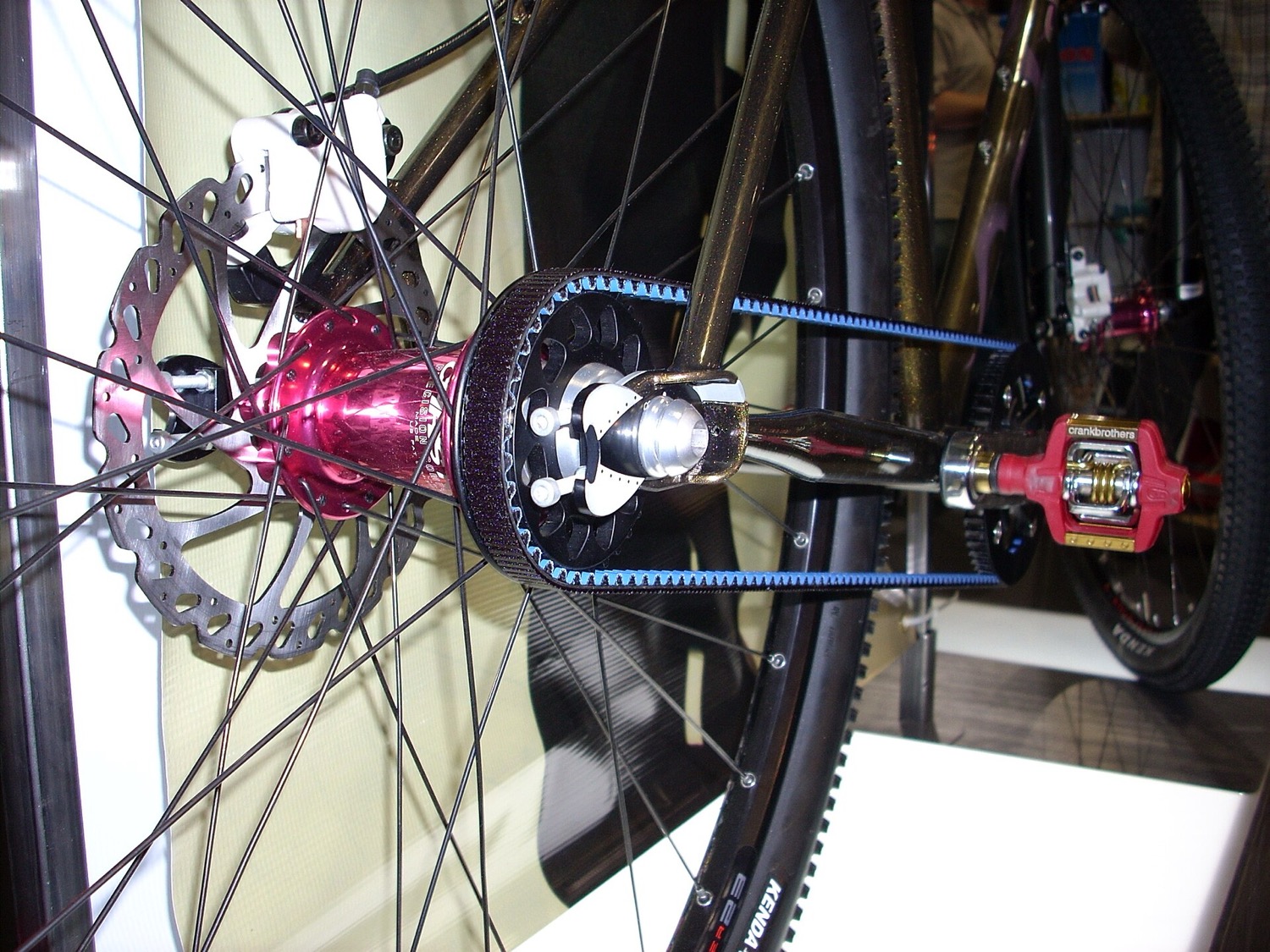
Choosing an e-bike drivetrain is a bet on how you will ride for the next few years. Belts and chains both work; they just win in different conditions, like two horses with different preferences for the going.
The form guide
| Belt drive | Chain drive | |
|---|---|---|
| Maintenance | Very low: no lubrication, little cleaning | Regular cleaning and lubrication |
| Lifespan | Long, often 15,000 km or more | Shorter on e-bikes; longer with heavy-duty or dual-engagement parts |
| Efficiency | Slightly lower, especially under high tension | Higher when clean |
| Compatibility | Needs a frame with a split stay and hub gear or single speed | Fits almost any frame and gearing |
| Roadside repair | Difficult; spare belts are not universal | Easy with a chain tool and quick link |
| Cost | Higher upfront | Lower upfront, higher running cost |
Who should back which
Commuters who ride in the wet and hate maintenance usually come out ahead on a belt. Fleets with mixed bikes and in-house workshops often prefer chains because any mechanic can fix them and parts are universal. The newest heavy-duty chain systems, including dual-engagement sprockets that claim several times the life of a standard set, narrow the maintenance gap and keep the chain's efficiency edge. Our cost of ownership guide shows how fleets do the sums.
The short odds: belt for low-maintenance commuting on a compatible frame, chain for flexibility, efficiency and easy repair, heavy-duty chain systems for cargo and fleet work.