E-Cargo Fleets and the Real Cost of the Drivetrain
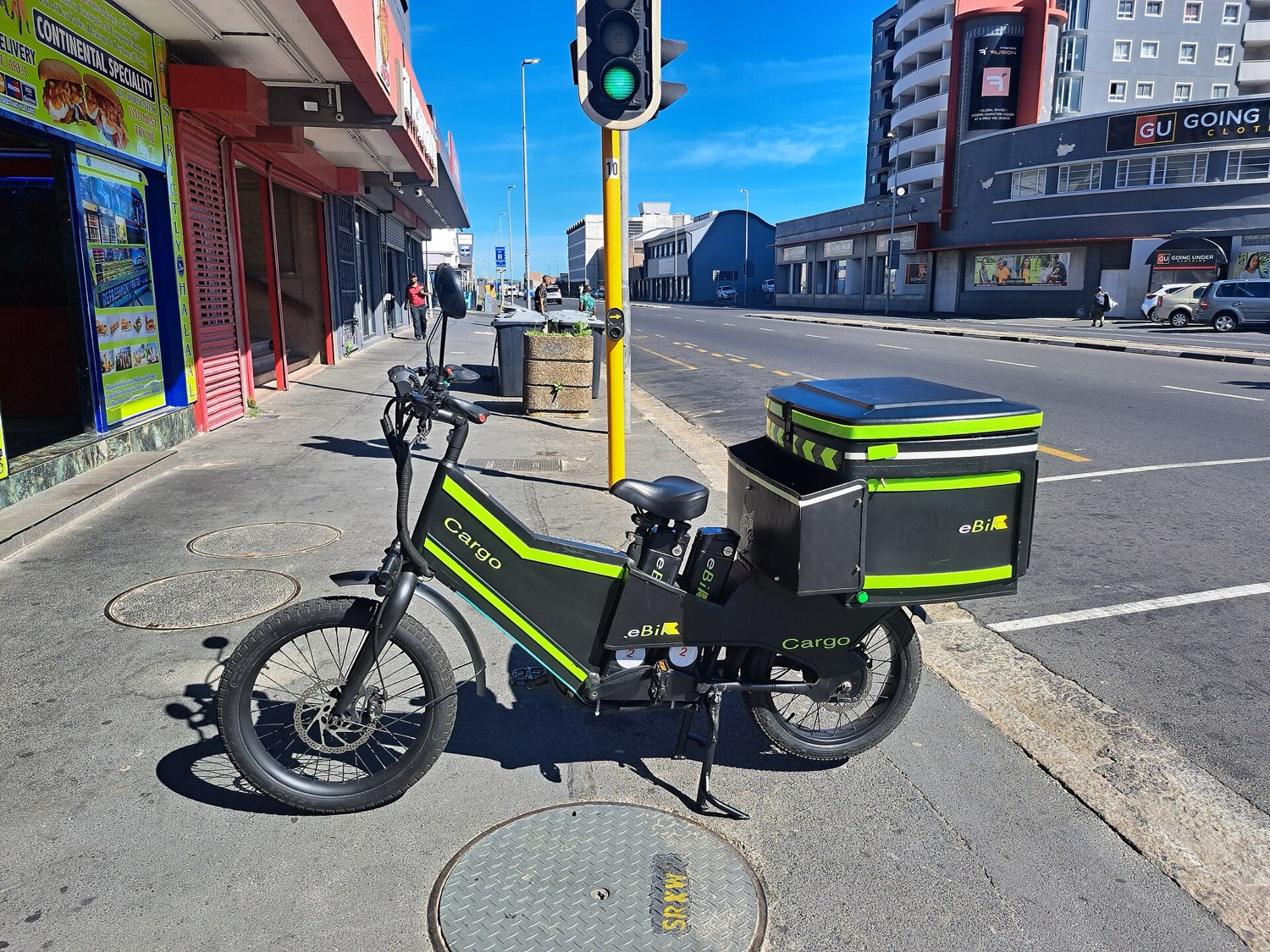
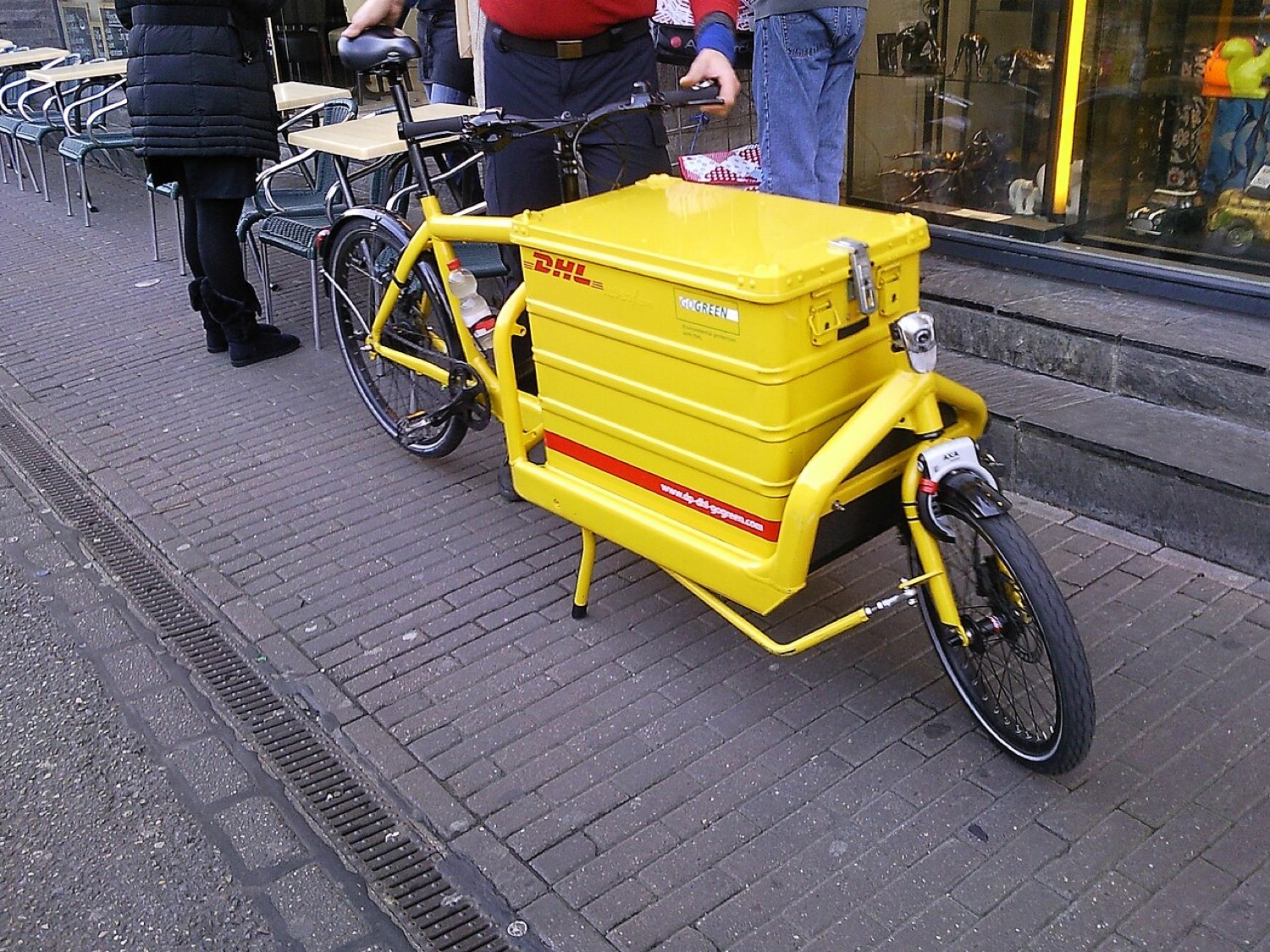
An e-cargo bike earns money only when it is moving. For delivery fleets in London, Amsterdam and Berlin, the drivetrain is one of the parts most likely to stop it. Industry estimates put the transmission at around fifteen percent of the cost of ownership of an e-cargo bike, once parts, labour and downtime are counted.
Why cargo bikes eat drivetrains
A loaded cargo bike can weigh well over 200 kilograms with rider and goods, and a mid-drive motor puts high torque through the chain from a standstill dozens of times an hour. Conventional bicycle drivetrains were never designed for that. Fleets report chains and sprockets lasting a few thousand kilometres, sometimes only months, which means regular workshop visits and bikes off the road.
The fleet manager's odds
Running a fleet is a numbers game in the most literal sense. Every bike on every shift carries a small probability of a drivetrain failure. Multiply that probability by the cost of a failed delivery, a recovery and a lost shift, and you get the expected cost of running a worn part. The smartest operators price that risk exactly as a bookmaker prices an outcome, replacing parts when the expected loss overtakes the replacement cost. Longer-lasting drivetrains shift the whole curve: if a chain and sprocket set lasts three times longer, as dual-engagement systems claim for heavy-duty use, the odds of a failure on any given shift fall and the cost per kilometre drops with them.
What to look for in a heavy-duty drivetrain
- Industrial-strength chain rated for motor torque, not a standard bicycle chain.
- Hardened or stainless sprockets and chainrings with weather-resistant coating.
- Compatibility with the motor and hub gear the fleet already uses, so parts are retrofittable.
- Published test data from independent labs or partner fleets, not only manufacturer claims.
The race-day rush
Cargo fleets have a peak calendar like any other business, and big sporting events are part of it: stadium match days, race weekends and big-fight nights all spike deliveries of food and goods across the city. Those are exactly the days when a breakdown costs most, which is why fleets schedule drivetrain checks around the sporting calendar the way bookmakers staff up for the Grand National. See also when to replace a chain.