Dual-Engagement Sprockets Explained: The Biggest Change to the Chain Drive in a Century
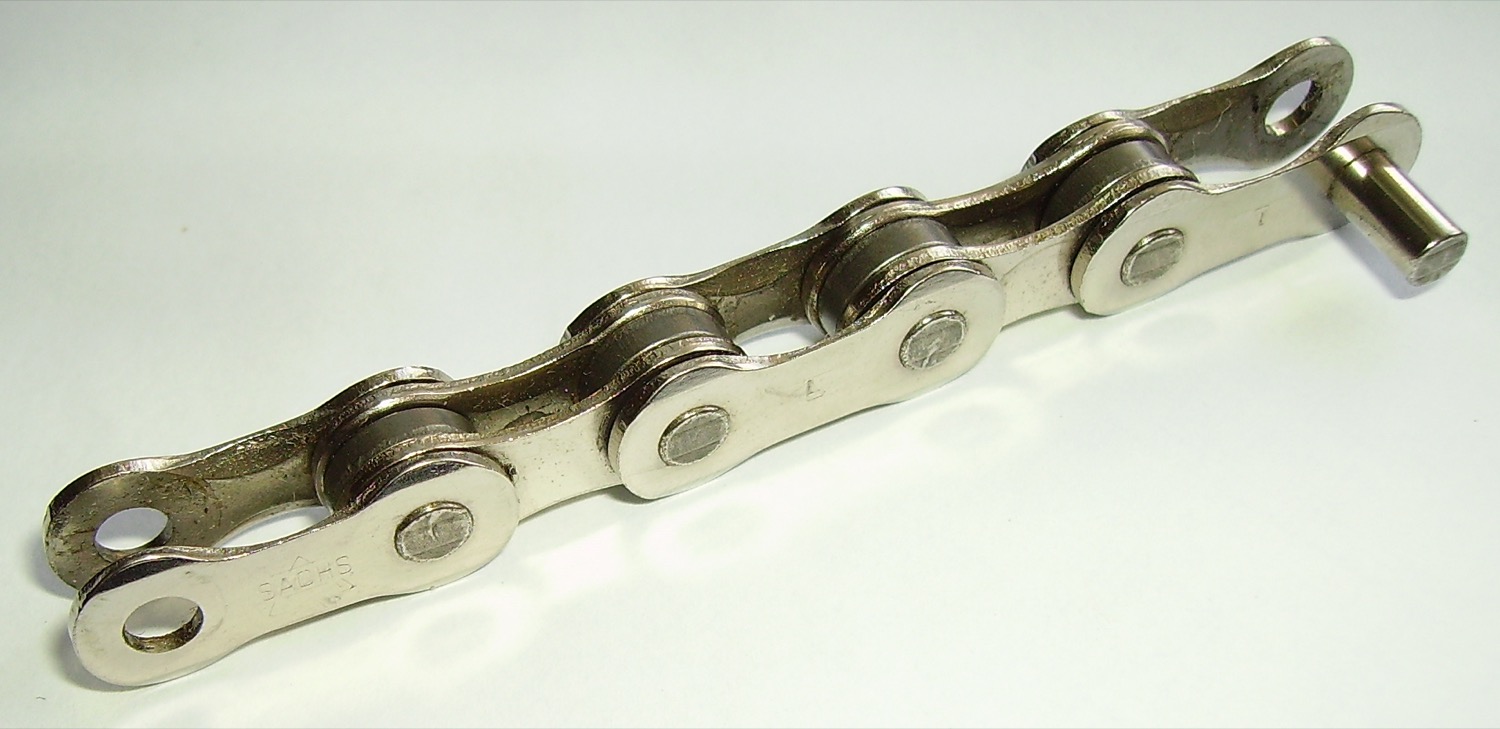
The bicycle chain is one of the most efficient machines ever made, and one of the least changed. A roller chain wrapped around toothed sprockets has transmitted power in essentially the same way since the late nineteenth century. Dual-engagement tooth profiles are the first serious attempt in decades to change how that contact works.
The problem with one contact point
On a conventional sprocket, each chain roller presses against one face of a tooth. As the chain articulates on and off the sprocket, the pins and bushings inside each link rotate under load, and that sliding movement is where most drivetrain friction and wear come from. The load is also concentrated on a few teeth at the point of engagement, which grinds both chain and sprocket over time.
The dual-engagement idea
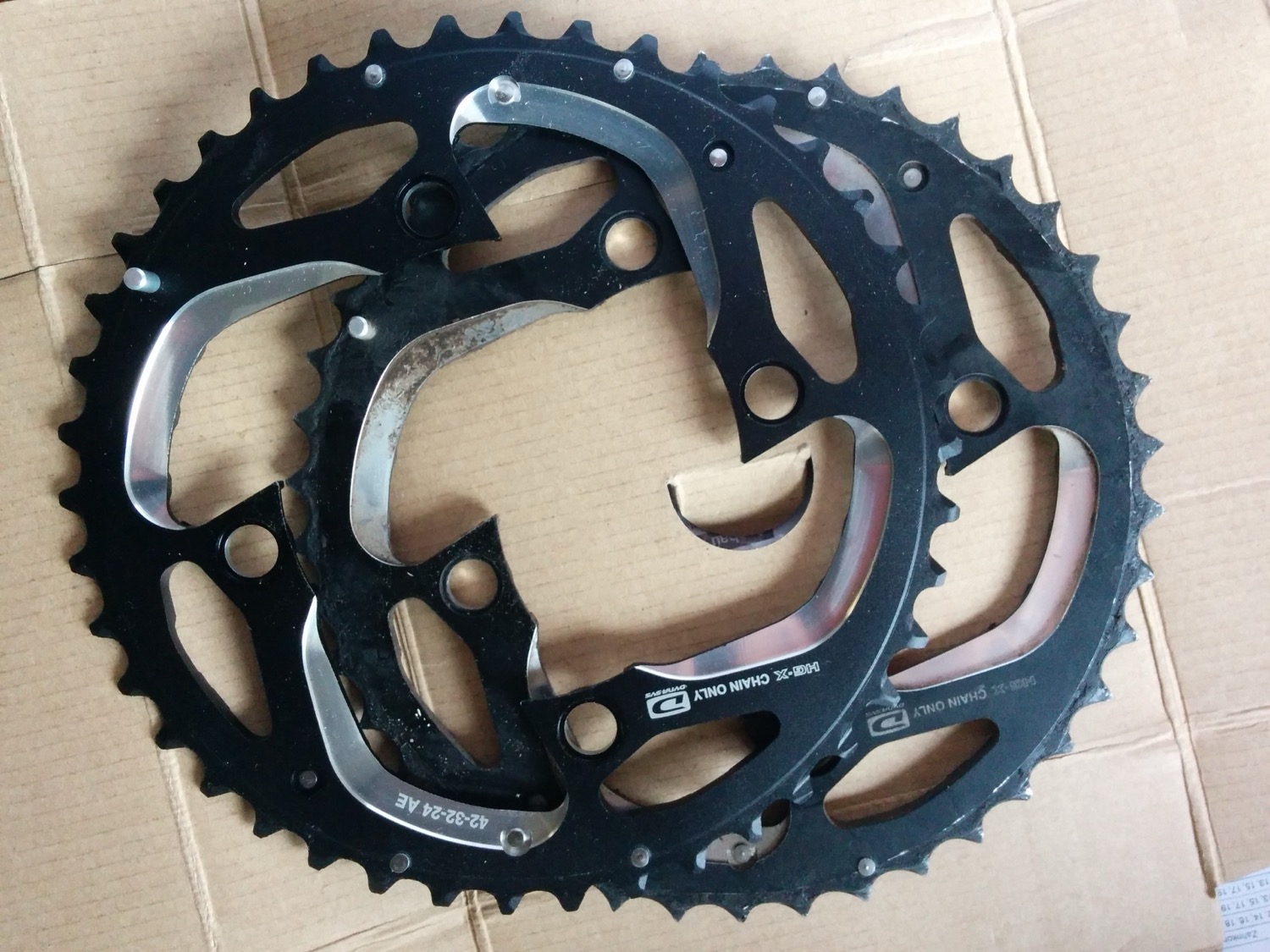
A dual-engagement profile shapes every other tooth so that it fills the gap between rollers and bears on both sides, a little like a bottle opener gripping a cap. The best-known commercial version is Enduo, developed by UK company New Motion Labs, which uses half the usual number of teeth with a wider, double-contact profile. Because the chain is gripped more securely, there is less relative movement inside the links, which the developers say cuts friction losses roughly in half on track bikes and extends chain life around three and a half times on heavily loaded e-cargo bikes.
Who benefits
- Track racers, where a few watts decide medals and, as our racing desk explains, move betting markets.
- E-cargo and delivery fleets, where motor torque and heavy loads destroy conventional drivetrains in months. See drivetrain cost of ownership.
- Industry, where roller chains run conveyors, agricultural machinery and packaging lines in thousands of applications.
The limits
Dual-engagement sprockets work with standard chains but need matched chainrings and sprockets, and early designs suited single-speed and hub-gear bikes rather than derailleur systems. As with any efficiency claim, independent testing matters more than marketing; our explainer on how drivetrain losses are measured shows what to look for.
Why bettors should care: when an efficiency step-change reaches elite track teams, it shows up first in qualifying times and only later in the odds. Engineering news is market news in the velodrome.